You bought a sleek kitchen island. Then came the hunt for seating—and you got stuck scrolling through endless “bar stool style chairs” that all look the same but feel wildly different. Hours wasted. Back pain guaranteed. Here’s the solution: stop shopping by looks alone. Function, fit, and finish matter more than you think.
Why Most Bar Stool Choices Fail Within 6 Months
People pick bar stool style chairs based on color or price—then regret it when their knees hit the countertop or the seat sags after three months. Height mismatch is the silent killer. A standard counter is 36 inches; a true bar is 42. Yet most retailers lump them together under one generic label.
And durability? Many “solid wood” frames are actually MDF wrapped in veneer—fine for a coffee table, disastrous for daily perching. The math is simple: if it wobbles during assembly, it’ll collapse under real use.
How to Choose (and Keep) the Right Bar Stool Style Chairs
Forget aesthetics first. Start with ergonomics. Measure your counter height, then match seat height accordingly. Add footrests. Prioritize joinery over glue. Below is the cheat sheet most designers won’t share:
| Counter Height | Ideal Seat Height | Footrest Needed? | Best Frame Material | Average Lifespan |
|---|---|---|---|---|
| 34–36 inches (counter-height) | 24–26 inches | Yes (for users under 5’8″) | Kiln-dried hardwood | 7+ years |
| 40–42 inches (bar-height) | 28–30 inches | Always | Steel or solid oak | 10+ years |
| Custom islands | Measure minus 10–12″ | Highly recommended | Welded metal or ash | Varies |
Swivel vs. Stationary: It’s Not Just About Style
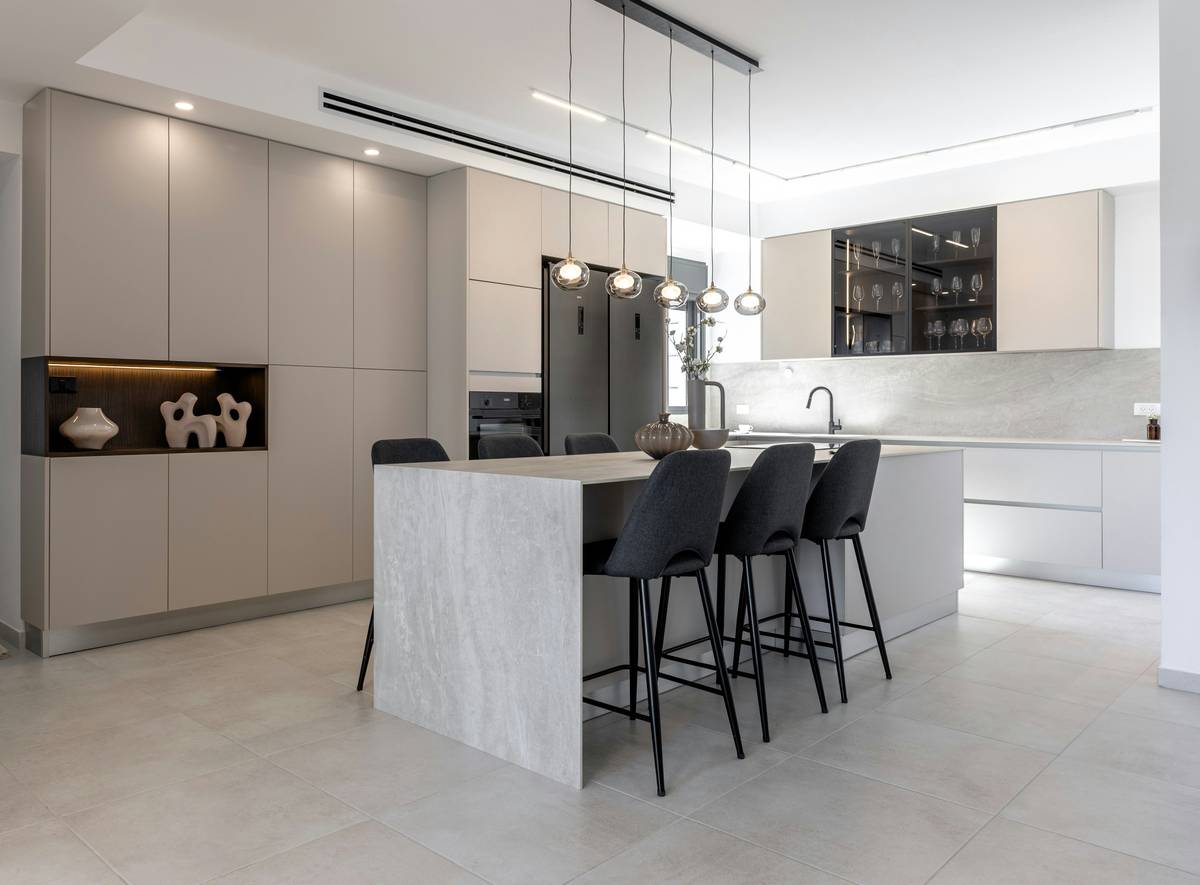
Swivel mechanisms add convenience—but also failure points. Cheap ball bearings seize up in humid kitchens. If you entertain often, go swivel—but only with sealed, stainless components. Otherwise? Stationary stools last longer and cost less.
Upholstery Traps Most Buyers Never See Coming
Faux leather peels. Light fabric stains. And that “easy-clean” microfiber? It pills within months of daily use. For high-traffic zones, choose performance fabric (like Crypton) or solid wood seats with a food-safe oil finish. Maintenance drops 80%.
The Hidden Value of Adjustable Height
Hydraulic or screw-adjust models seem gimmicky—until you realize your kids, guests, and aging parents all need different heights. One stool fits all. But verify weight capacity: many adjustable bases max out at 225 lbs. Real life demands 300+.
The Industry Secret: Bar Stools Are Meant to Be Replaced—Unless You Do This
Here’s what manufacturers won’t tell you: most bar stool style chairs are designed for 3–5 years of use—not decades. Why? Because replacement cycles drive repeat sales. But there’s a loophole. Buy frames built with mortise-and-tenon joints (not dowels or screws). Then, treat upholstery as consumable—opt for removable, washable seat pads you can swap every 18 months. Suddenly, your stool lasts 15 years. And costs less long-term.
Think about it: IKEA sells millions of stools yearly. Their secret isn’t design—it’s planned obsolescence. Fight back with craftsmanship.
Frequently Asked Questions
What’s the difference between a bar stool and a counter stool?
Bar stools are taller (28–30″ seats) for 40–42″ counters. Counter stools are shorter (24–26″) for 34–36″ surfaces. Mixing them causes discomfort and poor posture.
Do bar stool style chairs need backs?
For dining or prolonged sitting—yes. Backless stools work only for quick drinks. Skip the back, and you’ll shift constantly. Your spine will thank you later.
How many bar stools fit a 6-foot island?
Allow 24–30 inches per stool for elbow room. A 6-foot (72-inch) island comfortably seats 2–3 people. Cramping more in invites chaos—and chipped countertops.