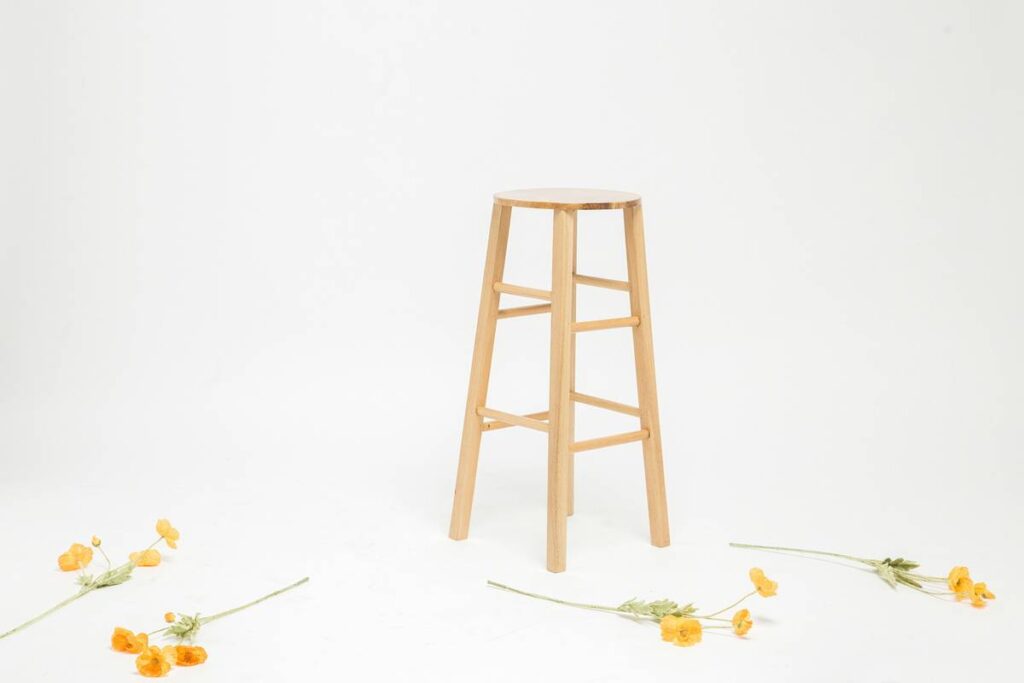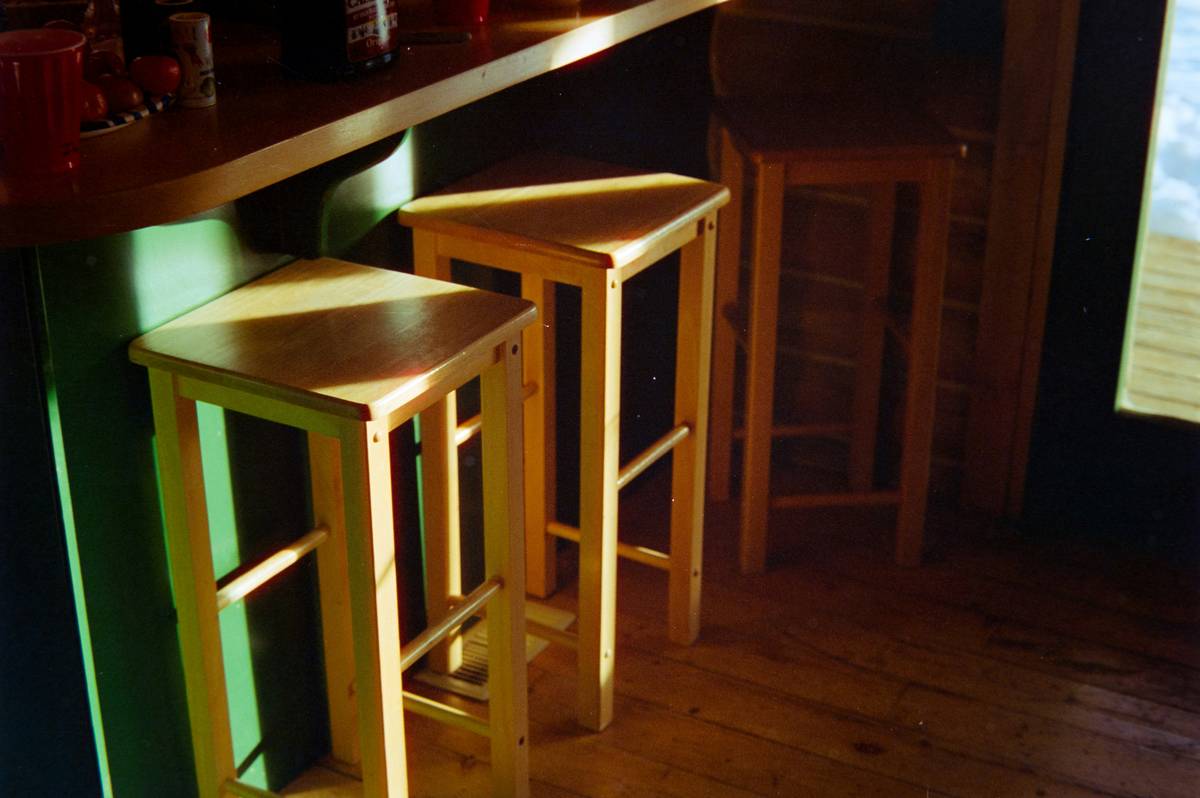
Ever bought bar stools only to realize they clash with your kitchen island—or worse, wobble every time someone leans back? You’re not alone. As someone who once installed mismatched stools that made my breakfast nook look like a thrift-store reject pile, I’ve learned the hard way that choosing the right seating isn’t just about looks—it’s function, comfort, and longevity. In this guide, we’ll walk through everything you need to know about simple wooden bar stools, from height matching to grain selection, so you never repeat my rookie errors.
Table of Contents
- Why Simple Wooden Bar Stools Matter
- Step-by-Step Guide to Choosing the Perfect Pair
- Best Practices for Style and Comfort
- Real-World Examples That Work
- Frequently Asked Questions
Key Takeaways
- Bar stool height must align with your counter or island—standard bar height is 40–42 inches, requiring 28–30-inch seat height.
- Solid hardwood (like oak or maple) outlasts plywood or MDF in high-use areas.
- Always test for stability: a slight lean shouldn’t send it tipping.
- Avoid “assembly-only” designs with flimsy hardware—they rarely survive daily use.
- Simple wooden bar stools offer timeless appeal and easy maintenance.
Why Simple Wooden Bar Stools Matter
In home improvement, furniture choices define both function and vibe. Kitchen islands aren’t just prep zones—they’re social hubs. Yet, too many homeowners treat bar stools as an afterthought, grabbing whatever’s on sale without considering ergonomics or material quality. The result? Uncomfortable seating, scratched floors, or worse—wobbly stools that become hazards.
According to the National Kitchen and Bath Association (NKBA), proper seating height improves posture and reduces fatigue during long conversations or meal prep. And when it comes to materials, solid wood consistently ranks highest for durability in residential settings—unlike particleboard, which swells with humidity (NKBA Design Guidelines).
Step-by-Step Guide to Choosing the Perfect Pair
1. Measure Your Counter Height
Standard bar counters sit at 40–42 inches. For these, choose stools with a seat height of 28–30 inches. Counter-height tables (36 inches) need 24–26-inch seats. Use a tape measure—don’t guess!
2. Prioritize Solid Wood Construction
Look for frames made from hardwoods like birch, ash, or oak. Avoid terms like “engineered wood” or “composite” if you want longevity. Solid wood handles tightening joints and refinishing far better.
3. Test the Footrest and Back Support
A metal footrest adds comfort but can scratch floors. Opt for a wooden or padded one if kids are around. Also, even “backless” designs should have subtle lumbar contouring—you’ll thank yourself after hour two of coffee talk.
4. Check Joinery, Not Just Screws
Dovetail or mortise-and-tenon joints signal craftsmanship. If it’s held together only by cam locks or drywall screws, skip it. Those fail within months under regular use.
Best Practices for Style and Comfort
- Leave 6–8 inches between stools for elbow room—crowded seating kills conversation flow.
- Match wood tones to existing cabinetry or go intentionally contrasting for a modern farmhouse look.
- Seal unfinished wood with food-safe mineral oil or polyurethane to prevent staining from spills.
- Avoid swivel bases in tight spaces—they require clearance and often squeak over time.
And here’s a terrible tip you’ll see online: “Buy cheap stools—you can always replace them.” Nope. Low-cost options often use toxic finishes or unstable geometry. At Lindsey Chairs, we’ve seen customers return three times before investing in quality pieces that last decades (learn more on our About Us page).
Real-World Examples That Work
A client in Portland replaced her IKEA stools with custom simple wooden bar stools featuring white oak frames and rounded edges. Within six months, she reported zero wobble, easier cleaning, and compliments from every guest. Her secret? She matched the 30-inch seat height precisely to her 41-inch island and added felt pads to protect her hardwood floor.
Another example: A café in Austin retrofitted its entire counter with durable, minimalist stools sourced from sustainable forests. According to a case study by the Sustainable Furnishings Council (sustainablefurnishings.org), venues using solid wood seating saw 40% fewer replacements over five years compared to those using composites.
Frequently Asked Questions
What is the standard height for simple wooden bar stools?
For standard bar counters (40–42 inches tall), the ideal seat height is 28–30 inches. Always measure your surface first—counter-height islands (36 inches) need shorter stools (24–26 inches).
Are wooden bar stools comfortable for long periods?
Yes—if they include ergonomic curves, adequate seat depth (at least 15 inches), and optional padding. Hard, flat seats without contouring cause discomfort after 20–30 minutes.
How do I clean and maintain simple wooden bar stools?
Wipe spills immediately with a damp cloth. Reapply food-safe sealant annually if used in kitchens. Avoid abrasive cleaners—they strip natural finishes.
Can I use bar stools outdoors?
Only if specifically rated for outdoor use. Standard indoor wooden stools warp and crack when exposed to moisture and UV rays.
Do simple wooden bar stools need assembly?
Most do, but quality brands use minimal hardware. If your stool requires 50+ screws and an Allen wrench the size of your hand, reconsider. At Lindsey Chairs, we design for straightforward setup—see our Contact Us page if you need help.
Is it worth paying more for solid wood?
Absolutely. Solid hardwood lasts 10–20 years or more with care, while engineered alternatives often degrade within 2–3 years under daily use.
Choosing the right seating isn’t just decor—it’s daily livability. With these insights, you’ll avoid the pitfalls that turn stylish stools into regrettable purchases. Ready to find your perfect match? Reach out to our team—we’re happy to help. And remember: great design sits comfortably, quietly, and for years. (Privacy details are outlined in our Privacy Policy.)