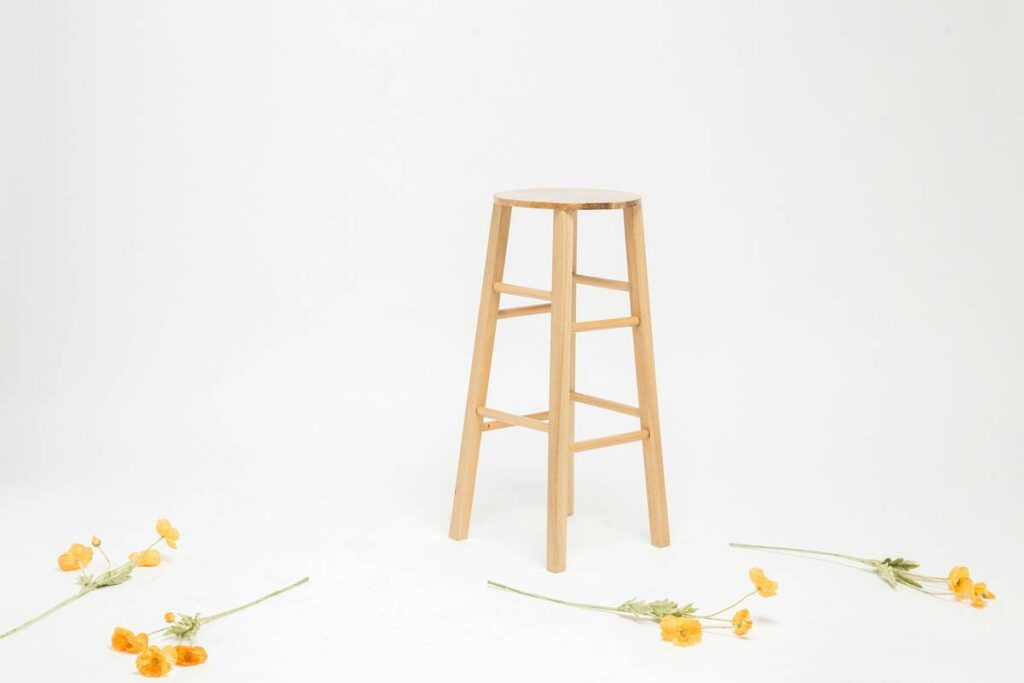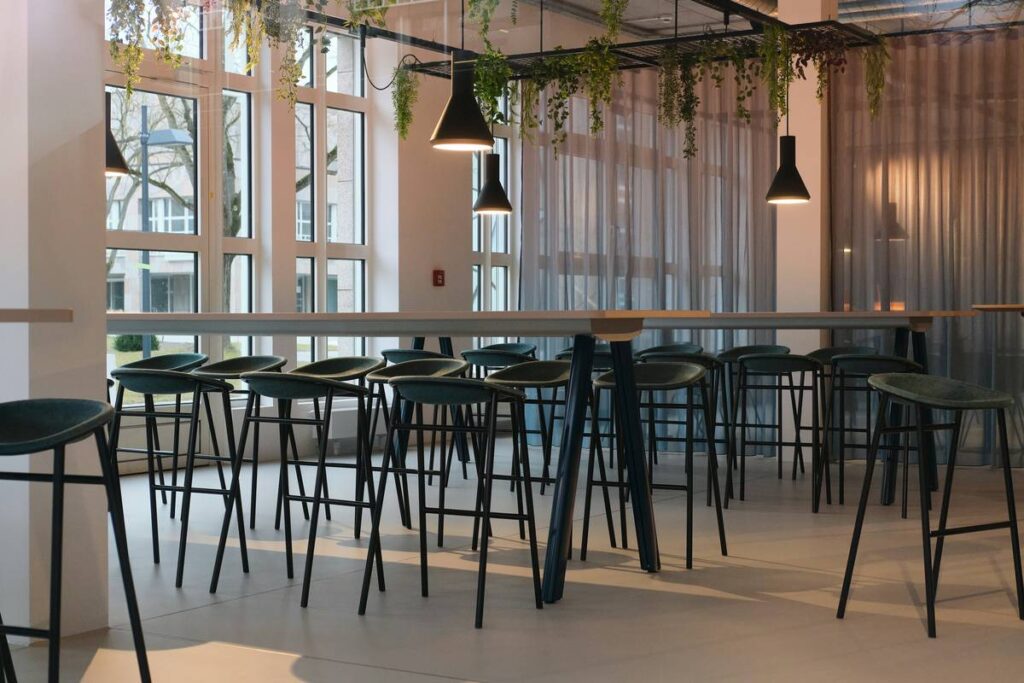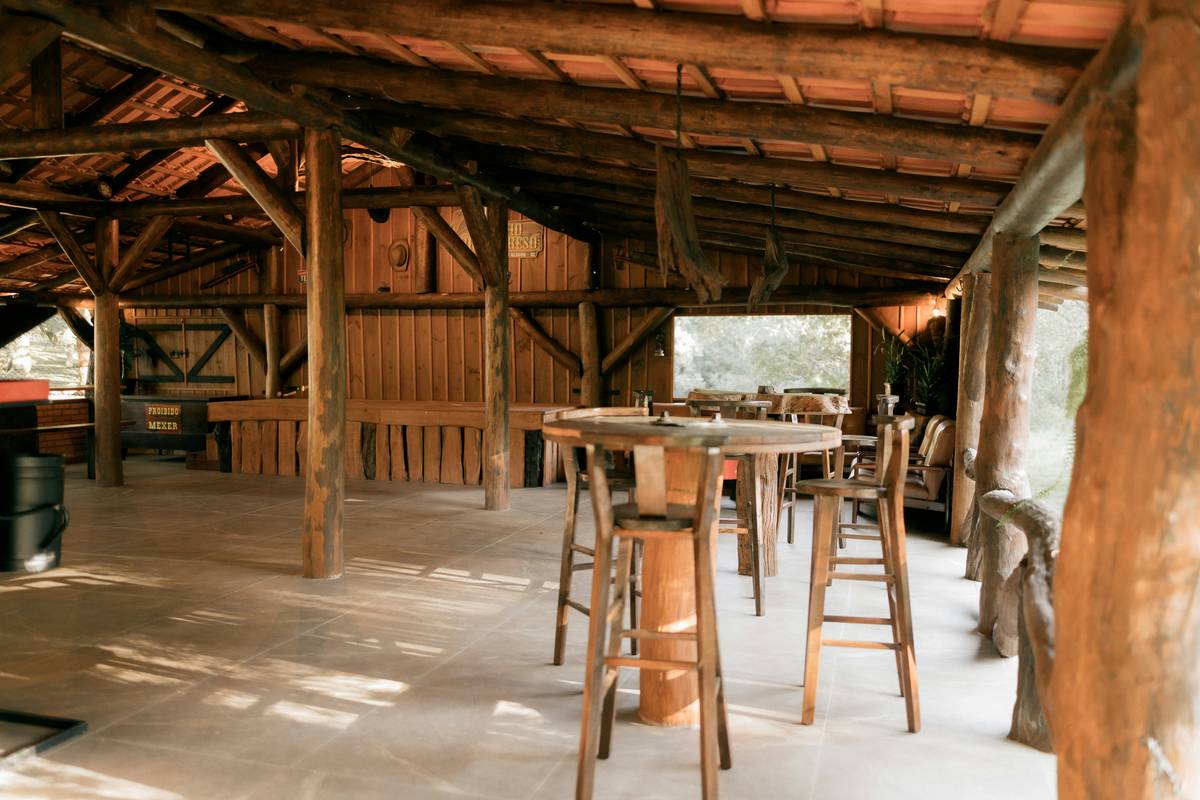
If you’ve ever wobbled on a rickety bar stool while trying to enjoy your morning coffee—or worse, spilled wine during game night—you know that not all seating is created equal. In home improvement, especially in the kitchen and dining space, choosing the right bar stools impacts both aesthetics and daily function. Pub style bar stools blend nostalgic charm with modern ergonomics, but picking the wrong ones can lead to back pain, wasted money, and design regrets. In this guide, we’ll walk you through everything you need to know—from height ratios to material durability—so you end up with stools that look great and feel even better.
Table of Contents
- Why Pub Style Bar Stools Matter in Home Design
- How to Choose the Right Pub Stool: A Step-by-Step Guide
- Best Practices for Buying Bar Stools
- Real-World Examples That Work
- Frequently Asked Questions
Key Takeaways
- Bar height dictates stool height—counter stools (24–26”) vs. bar stools (28–30”)
- Pub style bar stools should offer back support for extended use
- Leave 6–8 inches between stools for comfortable elbow room
- Materials matter: solid wood or metal frames outlast particleboard
- Avoid fixed-height stools if your counter isn’t standard
Why Pub Style Bar Stools Matter in Home Design
In modern kitchens and entertainment areas, the island isn’t just for prep—it’s a social hub. That’s why your choice of seating carries more weight than you think. According to the National Kitchen and Bath Association (NKBA), over 78% of renovated kitchens include an island with seating, making bar stools a functional necessity, not just decor.
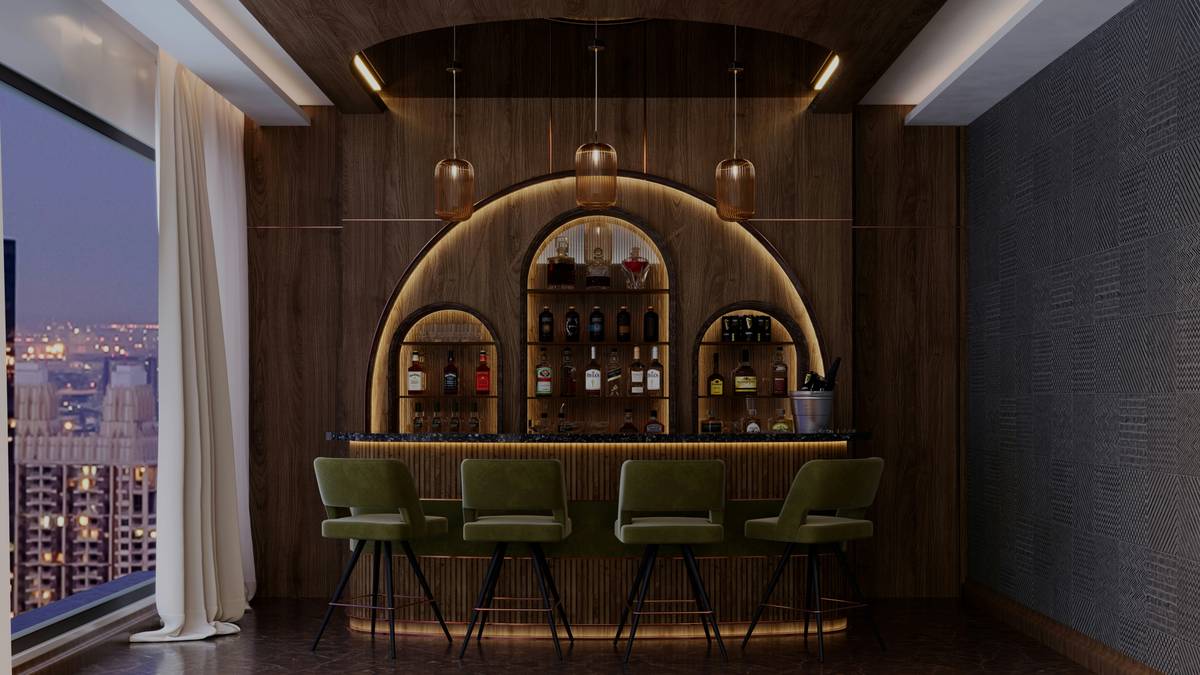
I learned this the hard way. Early in my renovation journey, I bought four ultra-sleek “modern” stools online without checking seat depth. They looked stunning in photos—but after 15 minutes, my lower back screamed in protest. Worse, they lacked a footrest, so my feet dangled awkwardly like a kid at a grown-up table. That $400 mistake taught me: form must follow function.
Pub style bar stools solve this. Inspired by traditional tavern seating, they typically feature full backs, contoured seats, and sturdy footrests—elements that support posture during long conversations or late-night snacks. And unlike minimalist designs, they add warmth and character to industrial or farmhouse kitchens alike.
How to Choose the Right Pub Stool: A Step-by-Step Guide
Step 1: Measure Your Counter Height
Standard bar counters are 40–42 inches high. For these, choose pub style bar stools with seat heights of 28–30 inches. If your counter is lower (36”), opt for counter-height stools (24–26”). Mismatched heights cause slouching or knee-collision—a common but avoidable error.
Step 2: Prioritize Back Support
Backless stools might save space, but they’re terrible for comfort. Look for stools with at least a mid-back or ladder-back design. The American Chiropractic Association recommends lumbar support for seated tasks longer than 10 minutes.
Step 3: Check the Footrest
A continuous or U-shaped metal footrest is non-negotiable. It reduces pressure on your legs and improves circulation—especially important if you’re sipping cocktails for hours.
Step 4: Test Swivel vs. Fixed
Swivel mechanisms add convenience but require more clearance. Ensure you have at least 24 inches from the island edge to walls or cabinets before choosing swivel pub style bar stools.
Best Practices for Buying Bar Stools
- Allow 6–8 inches between stools. Crowded seating kills conversation flow.
- Choose durable upholstery. Performance fabrics or top-grain leather resist spills better than linen or cotton.
- Avoid “one-size-fits-all” claims. There’s no universal standard—always verify dimensions.
- Check weight capacity. Quality stools support 250–300 lbs; cheap ones often fail under 200 lbs.
And here’s a terrible tip you’ll see online: “Buy matching stools to your cabinets for a cohesive look.” Wrong. Mixing wood tones or metals adds depth. At Lindsey Chairs, we often pair walnut stools with white oak islands—and it works beautifully. For more on our design philosophy, visit our About Us page.
Real-World Examples That Work
A client in Austin replaced her flimsy IKEA stools with custom pub style bar stools featuring blackened steel frames and cognac leather seats. Not only did they elevate her kitchen’s aesthetic, but she reported hosting longer, more comfortable gatherings. “I didn’t realize how much bad seating was cutting our nights short,” she told us.
Data backs this up: a Houzz Kitchen Trends Study found that 62% of homeowners who upgraded their bar seating said it improved their overall satisfaction with their kitchen remodel. And when stools are built to last—like those using kiln-dried hardwood frames—they become heirloom pieces rather than landfill fodder.
Frequently Asked Questions
What’s the difference between counter stools and pub style bar stools?
Counter stools (24–26” seat height) suit 36” counters; pub style bar stools (28–30”) are designed for 40–42” bars. Pub styles also usually include full backs and footrests for comfort during extended use.
Do pub style bar stools need to match my kitchen chairs?
No. Coordination—not matching—is key. Complementary colors or materials create visual harmony without monotony.
Can I use pub style bar stools outdoors?
Only if they’re rated for outdoor use. Standard indoor stools will warp or rust. Look for powder-coated metal and marine-grade fabrics if placing them on a covered patio.
How many stools fit on a 6-foot island?
Three stools max. Allow 24–30 inches per stool (including spacing). Overcrowding makes sitting—and serving—uncomfortable.
Are adjustable-height pub stools reliable?
Some are, but gas-lift mechanisms wear out faster than fixed frames. For longevity, choose fixed-height unless your counter is non-standard.
Where can I customize pub style bar stools?
We offer handcrafted options with tailored heights, finishes, and fabrics. Reach out via our Contact Us page—we’d love to help you find your perfect set. And rest assured, your data stays protected per our Privacy Policy.
Choosing pub style bar stools shouldn’t feel like navigating a minefield of regrettable purchases. When you prioritize ergonomics, measure twice, and trust craftsmanship over trends, you’ll build a space where comfort meets character—one stool at a time. Now go host that dinner party you’ve been dreaming of.