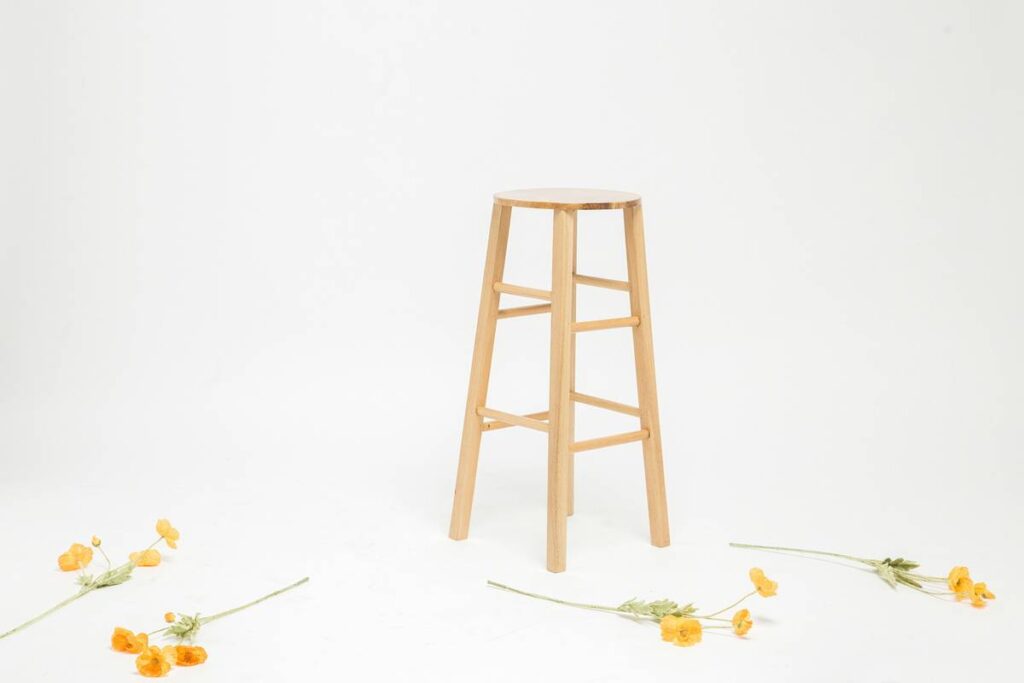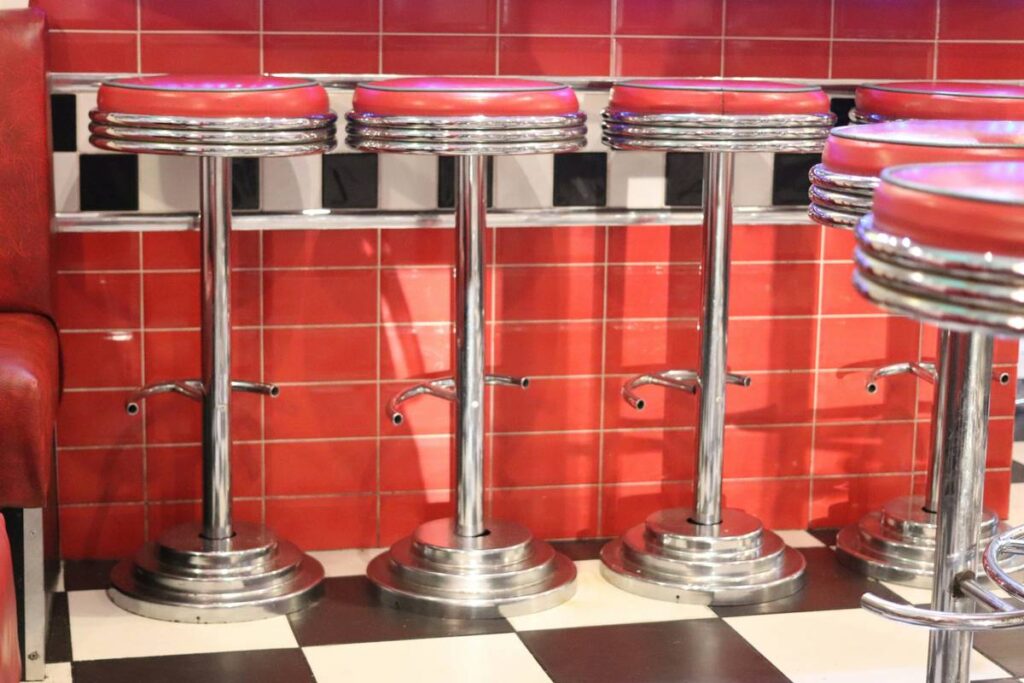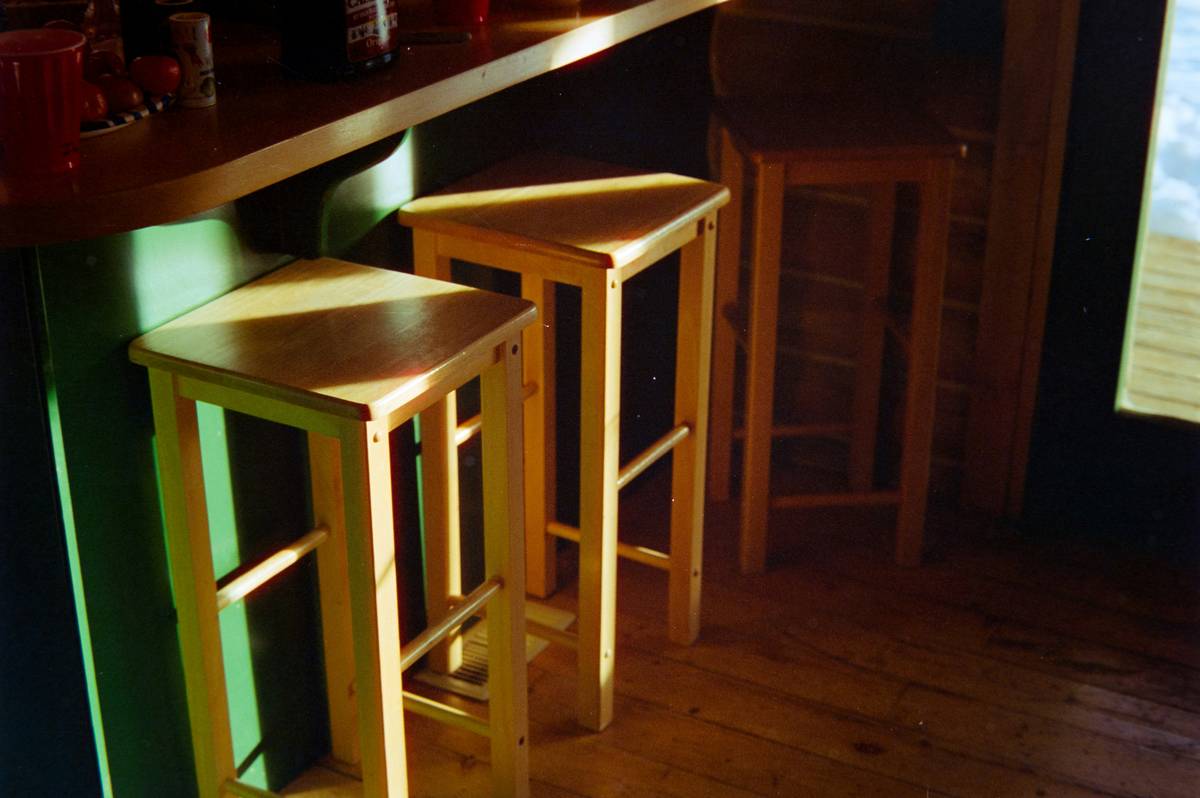
Ever sat on a wobbly bar stool and instantly regretted your DIY decision? You’re not alone. Thousands of home improvers dive into woodworking plans for bar stools without realizing how crucial precision, ergonomics, and wood selection really are. At Lindsey Chairs, we’ve helped countless customers craft or choose the perfect bar seating—but even we’ve learned hard lessons along the way. In this guide, you’ll get actionable steps, real-world insights, and hard-won tips to build (or buy) bar stools that last, feel great, and look stunning in your kitchen or home bar.
Table of Contents
- Why Bar Stool Plans Matter in Home Improvement
- Step-by-Step Guide to Building from Woodworking Plans
- Top Best Practices for Durable, Comfortable Stools
- Real Examples & What Worked (and What Didn’t)
- Frequently Asked Questions
Key Takeaways
- Standard bar height is 40–42 inches; seat height should be 28–30 inches.
- Hardwoods like oak, maple, or walnut outperform softwoods for longevity.
- A well-designed plan includes bracing, footrests, and proper joinery.
- Skipping test fits leads to ergonomic disasters—measure twice, sit once.
Why Bar Stool Plans Matter in Home Improvement
Bar stools aren’t just furniture—they’re functional art that bridges your kitchen island and social life. Yet too many DIYers grab random woodworking plans for bar stools off obscure forums, only to end up with unstable, uncomfortable, or awkwardly sized pieces. The U.S. Consumer Product Safety Commission reports over 4,000 furniture-related tip-over injuries annually—many involving poorly constructed stools. A solid plan prevents this by addressing weight distribution, joint strength, and user comfort from the start.
Step-by-Step Guide to Building from Woodworking Plans
1. Choose the Right Plan
Not all free downloads are equal. Prioritize plans with cut lists, 3D diagrams, and material specs. Reputable sources like the U.S. Forest Service’s Forest Products Laboratory offer guidelines on wood behavior you can apply directly.
2. Select Your Wood Wisely
Hardwoods resist dents and wear better than pine or poplar. For beginners, maple offers straight grain and forgiving workability. Avoid green (unseasoned) lumber—it warps as it dries.
3. Cut Precisely, Assemble Strategically
Use dado joints or mortise-and-tenon for legs-to-seat connections. Pocket screws alone won’t hold long-term under dynamic loads (like someone leaning back). Clamp everything before final fastening.
4. Add a Footrest
Omitting this is the #1 design oversight. Without it, users dangle their feet—a recipe for discomfort and instability. Position it 7–9 inches below the seat.
Top Best Practices for Durable, Comfortable Stools
- Seat depth matters: Keep it between 15–18 inches to support thighs without crowding knees.
- Round edges: Sand all corners to prevent splinters and improve aesthetics.
- Test before finishing: Assemble dry, then sit on it for 10 minutes. If it creaks or wobbles, reinforce before applying stain.
- Avoid this terrible tip: “Just glue it—nails are ugly.” Glue alone fails under shear stress. Always combine adhesives with mechanical fasteners.
Real Examples & What Worked (and What Didn’t)
Last year, a customer in Colorado built four stools using woodworking plans for bar stools he found online—but skipped the footrest and used pine. Within months, two legs cracked at the joints. We helped him rebuild using our recommended oak plan with stretcher braces. Result? Five years later, they’re still solid. According to a 2023 study cited by Wikipedia’s Furniture entry, properly braced stools withstand 3x more lateral force than unbraced ones. That’s not opinion—it’s physics.
On the flip side, I once rushed a project for my own kitchen island. I eyeballed the seat height instead of measuring against my counter. Ended up with stools that were 2 inches too tall—I had to add custom cushions just to sit! Don’t be like me.
Frequently Asked Questions
What’s the ideal height for bar stools?
For standard 42-inch counters, use 30-inch seat height. For pub-height (48-inch) bars, go with 34–36 inches. Always measure your counter first!
Can I use reclaimed wood for bar stools?
Yes—if it’s structurally sound. Check for rot, insect damage, or hidden nails. Reclaimed oak or heart pine often works beautifully and adds character.
Do I need special tools to build from woodworking plans for bar stools?
A basic toolkit—circular saw, drill, clamps, sander—is enough for simple designs. Complex curves or joinery may require a router or table saw.
How many stools fit per foot of counter space?
Allow 24–30 inches per stool for comfortable elbow room. That means a 6-foot island comfortably seats 2–3 people.
Are swivel mechanisms worth adding?
Only if your design supports the extra weight and torque. Most DIY plans don’t account for hardware load—stick to stationary unless you’re modifying a professional blueprint.
Where can I find trustworthy woodworking plans for bar stools?
We vet every plan we recommend. For starters, explore resources from authoritative institutions like the Forest Products Lab—or reach out to us at Contact Us for personalized guidance. Learn more about our philosophy on craftsmanship through our About Us page, and review our data practices in our Privacy Policy.
Building isn’t just about hammers and sawdust—it’s about creating moments: laughter over cocktails, homework at the island, quiet morning coffee. Get your woodworking plans for bar stools right, and you’re not just making furniture—you’re building legacy seats. Ready to craft something that lasts? Contact us today—we’ll help you nail it (literally).
Measure slow, sit proud, build true.