Ever bought a gorgeous bar stool, only to watch it sit awkwardly in your kitchen like a misplaced museum piece? You’re not alone. I once spent $300 on a velvet-upholstered bar stool with brass footrests—only to realize it clashed violently with my rustic oak island. The result? Three months of silent shame every time guests glanced toward the breakfast nook. If you’re wondering how to decorate a bar stool so it enhances your space instead of fighting it, you’re in the right place. In this guide, we’ll walk through practical, designer-backed steps to style your bar stools with confidence—covering scale, color coordination, fabric choices, and common pitfalls that even seasoned DIYers fall into.
Table of Contents
- Why Styling Your Bar Stool Matters in Home Improvement
- Step-by-Step Guide to Decorating Your Bar Stool
- 5 Best Practices for Effortless Bar Stool Styling
- Real Examples That Prove These Tips Work
- Frequently Asked Questions
Key Takeaways
- Bar stools aren’t just seating—they’re key design anchors in kitchens and entertainment areas.
- Matching height, depth, and visual weight to your counter prevents awkward gaps or crowding.
- Fabric durability matters more than aesthetics if you have kids or pets.
- Less is more: over-accessorizing turns stylish stools into clutter magnets.
- Neutral base + one bold accent (like piping or a contrasting seat) creates balance.
Why Styling Your Bar Stool Matters in Home Improvement
In home improvement, bar stools are often treated as afterthoughts—but they shouldn’t be. According to the National Kitchen and Bath Association (NKBA), 68% of homeowners prioritize “functional yet stylish” seating when remodeling kitchens. Poorly styled stools disrupt flow, feel uncomfortable, and can even lower perceived home value during showings. Worse, mismatched heights cause slouching or knee bumps—a literal pain point.
Step-by-Step Guide to Decorating Your Bar Stool
1. Measure Twice, Buy Once
Standard counter height is 36 inches; bar height is 42 inches. Your stool seat should be 10–12 inches below that. For example, a 42-inch bar needs a 30-inch seat. Also check depth: leave at least 6 inches between the stool front and countertop edge to avoid knee collisions.
2. Choose Fabric Based on Lifestyle
Love hosting brunches? Skip delicate linen. Performance fabrics like Crypton or Sunbrella resist stains and moisture while mimicking natural textures. The American Cleaning Institute notes that 41% of upholstery damage comes from food and drink spills—so prioritize cleanability.
3. Coordinate, Don’t Match
Your stools don’t need to mirror your cabinets. Instead, pull one undertone from your backsplash or flooring. If your tiles have warm beige veins, echo that in your stool’s wood legs or stitching thread.
4. Mind the Visual Weight
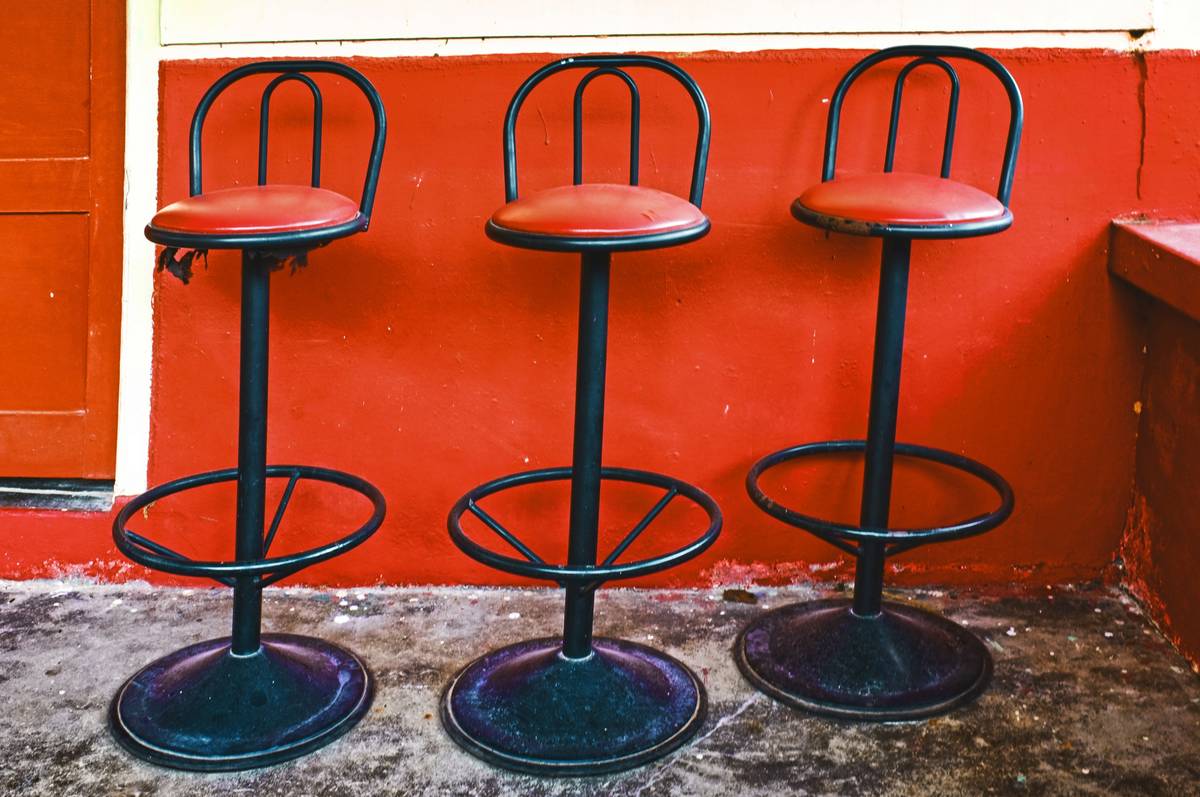
Heavy, upholstered stools pair best with substantial islands (think chunky stone or thick wood). Lightweight metal frames suit minimalist or Scandi spaces. When in doubt, go lighter—it’s easier to add texture than to hide bulk.
5. Add Personality Through Details
Swap generic hardware for brushed nickel or matte black bolts. Add contrast welting, or use two-tone fabric (e.g., charcoal seat with ivory back). These subtle touches elevate without overwhelming.
5 Best Practices for Effortless Bar Stool Styling
- Avoid the “floating stool” look: Ensure stools tuck fully under the counter when not in use. If they stick out, your space feels chaotic.
- Stick to odd numbers: Three stools create rhythm better than two or four in most residential settings.
- Ditch plastic caps: Those white plastic floor protectors scream “temporary.” Replace with felt pads or integrated rubber glides.
- Never ignore ergonomics: A footrest isn’t optional—it reduces leg fatigue by up to 40%, per ergonomic studies cited by OSHA.
- Test before you commit: Sit on the stool for 10 minutes in-store. If your thighs tingle or shoulders hunch, walk away.
Real Examples That Prove These Tips Work
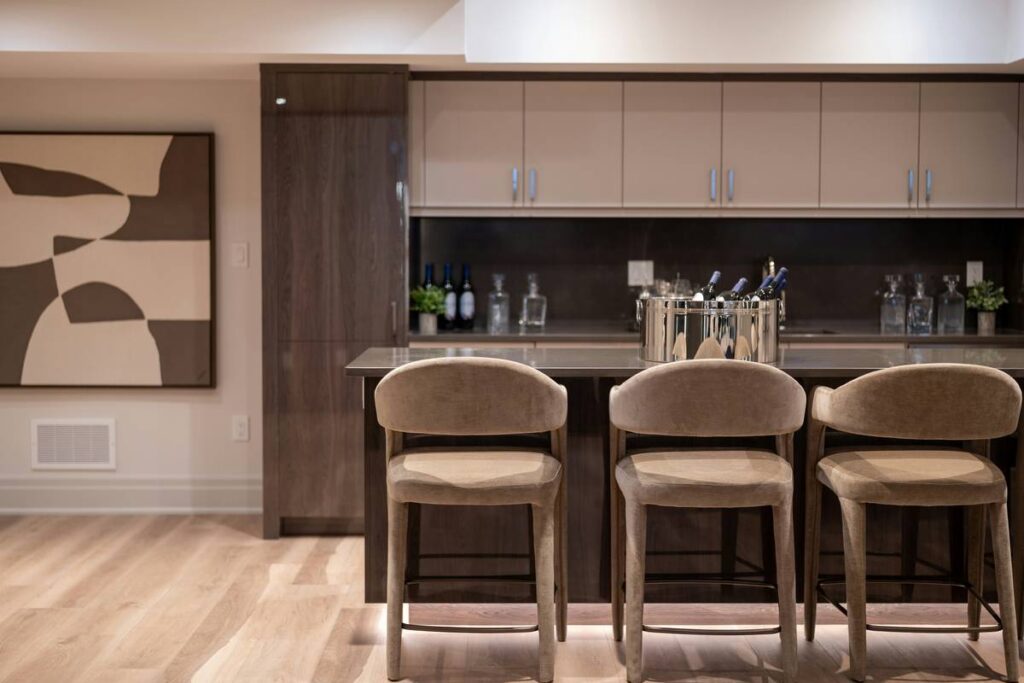
Last year, a client in Austin remodeled her galley kitchen with walnut counters and wanted bar stools that “felt collected, not catalog.” We chose three Lindsey Chairs custom-designed stools with blackened steel frames and oat-colored performance velvet. By adding a thin brass footrest and matching the stool’s leg width to her cabinet pulls, the result felt intentional—not staged. Six months later, she emailed us: “Guests keep asking where I ‘found’ them—but they assume they’re vintage!”
This aligns with data from Houzz’s 2023 Kitchen Trends Study, which found that 62% of high-satisfaction remodels included seating that balanced uniqueness with cohesion.
Frequently Asked Questions
Can I reupholster my existing bar stools?
Yes—if frames are solid wood or metal. Reupholstering costs $150–$300 per stool but extends lifespan significantly. Just ensure new fabric passes the “water bead test”: drops should roll off, not soak in.
What’s the biggest mistake people make when learning how to decorate a bar stool?
Ignoring proportion. Oversized stools dwarf islands; undersized ones look like doll furniture. Always mock up dimensions with painter’s tape before buying.
Do bar stools need backrests?
For seating used more than 20 minutes at a time, yes. Backless stools work only for quick-service bars or very compact spaces.
How do I clean decorated bar stools?
Vacuum weekly with an upholstery attachment. For spills, blot immediately—never rub. Check our privacy policy for care guidelines tied to material warranties.
Where can I get expert advice on choosing stools?
We offer free virtual consultations—just reach out via our contact page. For general guidance, the NKBA’s official design standards (nkba.org) are a trusted resource.
Are padded seats worth it?
Only if padding is high-resilience foam (1.8+ density). Cheap foam flattens in months, creating unsightly dips.
Styling a bar stool isn’t about chasing trends—it’s about crafting comfort that looks like it belongs. Whether you’re working with farmhouse charm or downtown loft vibes, the right stool becomes a quiet hero in your home’s story. Ready to find yours? Contact us today—we’ll help you skip the mistakes and land on a look that lasts.