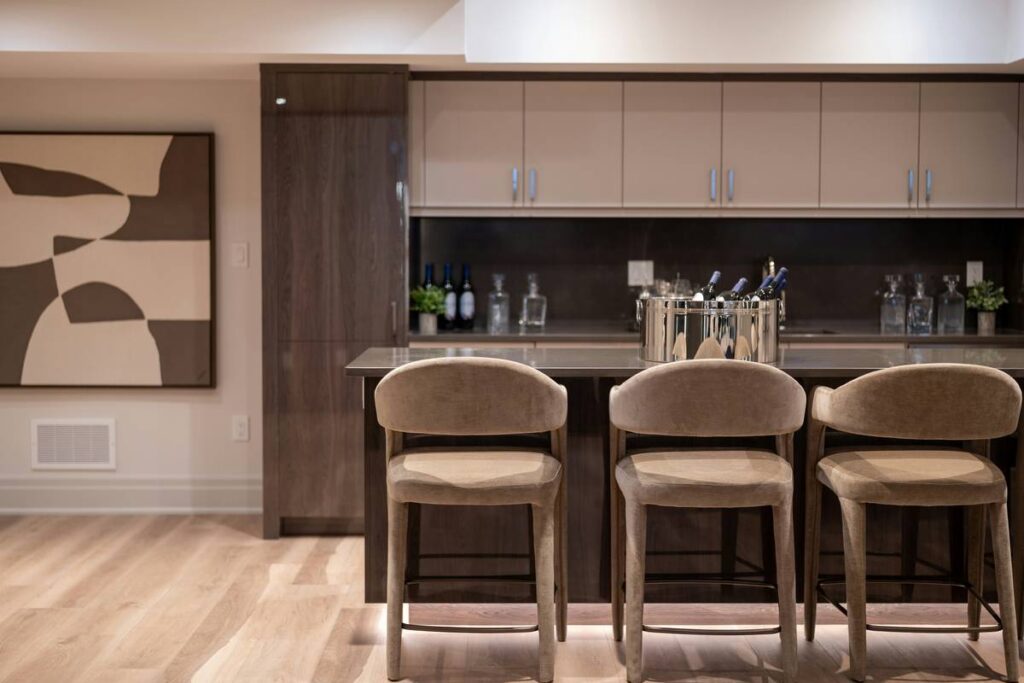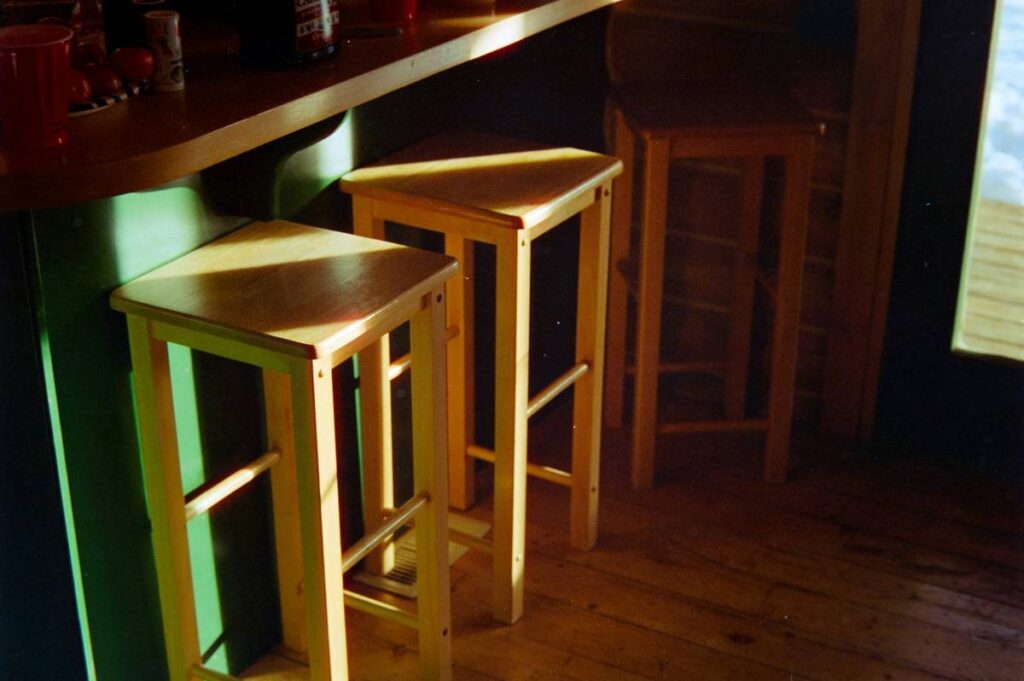
You’ve scoured modern catalogs, only to end up with bar stools that feel sterile, cold, or worse—like they’ll be outdated by next season. The problem? Contemporary designs often sacrifice soul for trendiness. And in doing so, they miss what truly makes a bar stool timeless: character, craftsmanship, and a story. Old style bar stools offer exactly that—but not all of them deserve space at your counter.
The Core Problem With “Vintage-Inspired” Furniture Today
Most retailers slap a distressed finish on cheap plywood and call it “rustic.” It’s theater—not authenticity. You’re paying premium prices for particleboard masquerading as heritage. The joints wobble after six months. The finish chips like nail polish. And worst of all? They don’t age gracefully—they just look broken.
Real vintage or reproduction old style bar stools should improve with time. Their wood patina deepens. Their brass footrests develop a warm luster. But mass-market imitations skip the hard parts: solid joinery, kiln-dried hardwoods, hand-forged metal accents.
How to Source & Style Genuine Old Style Bar Stools
Identify Authentic Construction Cues
Flip the stool over. Look for mortise-and-tenon joints—not screws or staples hidden under fabric. Real old-world craftsmanship doesn’t rely on glue alone. And check the seat: tapered spindles? Turned legs? These are signs of lathe work, not CNC shortcuts.
Choose the Right Height (It’s Not Just About Counter Depth)
Bar height isn’t universal. Standard bars sit at 42 inches—but many older homes have counters at 36” or even 30”. Measure from floor to underside of your counter, then subtract 10–12 inches for ideal knee clearance. Get this wrong, and no amount of charm will save your back.
Match Wood Tones Without Matching Exactly
Don’t force your stools to “match” your cabinets. Contrast creates depth. A walnut stool against white oak cabinetry? Perfect. But avoid clashing undertones—warm cherry with cool gray laminate feels accidental, not intentional.

| Material Type | Average Lifespan | Price Range (USD) | Vintage Value Retention |
|---|---|---|---|
| Solid Oak (Hand-Turned) | 50+ years | $220–$450 | High — appreciates with care |
| Birch Plywood (Distressed Finish) | 3–7 years | $89–$180 | Negligible — landfill-bound |
| Reclaimed Pine (Original Hardware) | 70+ years | $300–$600 | Very High — collectible |
| MDF with Veneer | 1–3 years | $65–$120 | None — zero resale |

The Industry Secret: Why Restorers Hoard Certain Stool Models
Here’s what nobody tells you: not all antique bar stools are created equal—but some models from the 1920s–1950s were built like bank vaults. Specifically, stools made for soda fountains and train dining cars used aircraft-grade bolts and quartersawn oak. They survived decades of abuse because failure wasn’t an option.
Savvy dealers quietly strip these down, preserve original hardware, and relaunch them as “limited editions.” The markup? Often 300%. But if you know the maker stamps—like “Lyon Metal” or “F.A. Hughes”—you can spot undervalued pieces at estate auctions. One client found four Lyon stools for $40 each last year. After light restoration? They sold for $325 apiece. The math is simple: provenance pays.
Frequently Asked Questions
Are old style bar stools comfortable for long seating?
Yes—if they feature contoured seats and footrests. Avoid flat plank seats without support; true vintage designs almost always include ergonomic curves or padded leather inserts.
Can I use old style bar stools outdoors?
Not without modification. Solid wood swells in humidity. If you must, choose teak or fully sealed reclaimed pine—and bring them inside during rain or winter.
Do old style bar stools need special maintenance?
Just annual conditioning with beeswax or linseed oil. Avoid silicone polishes—they seal pores and trap moisture, leading to hidden rot.