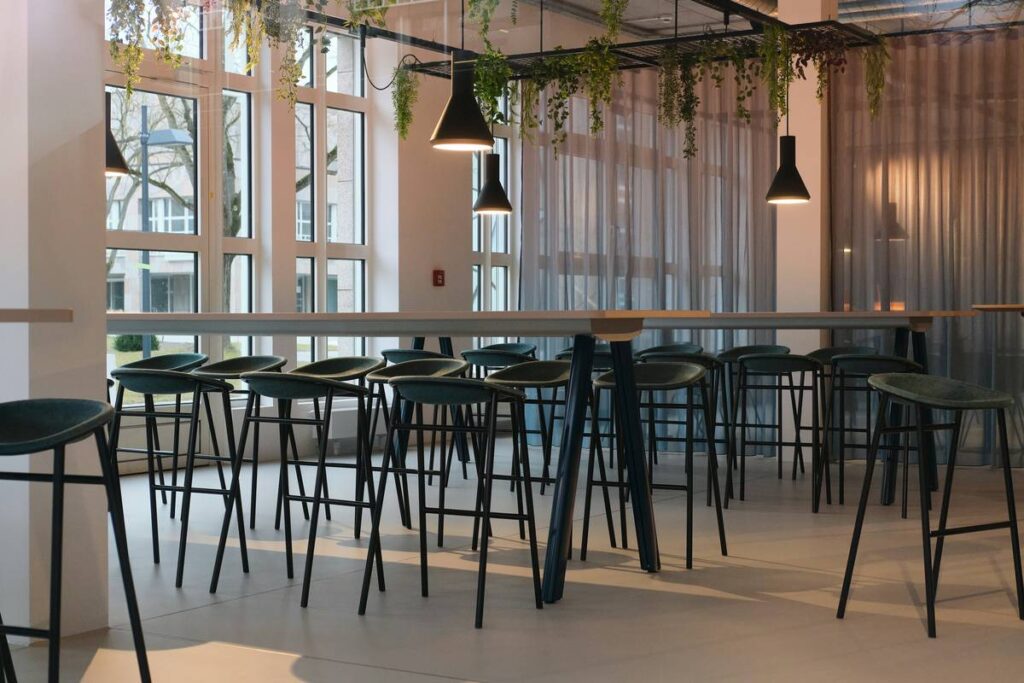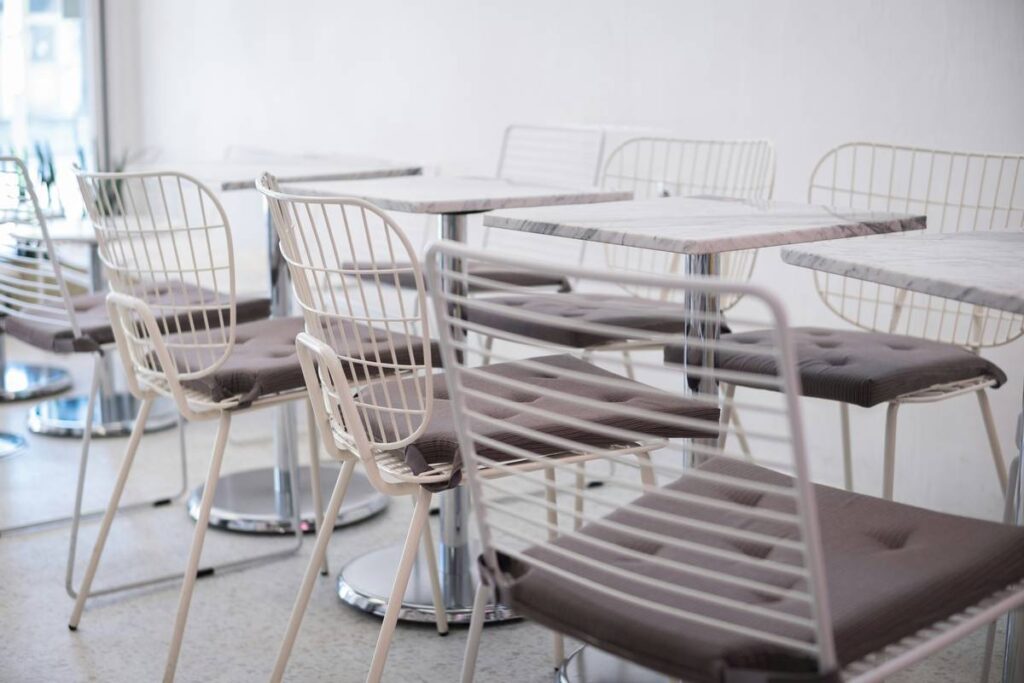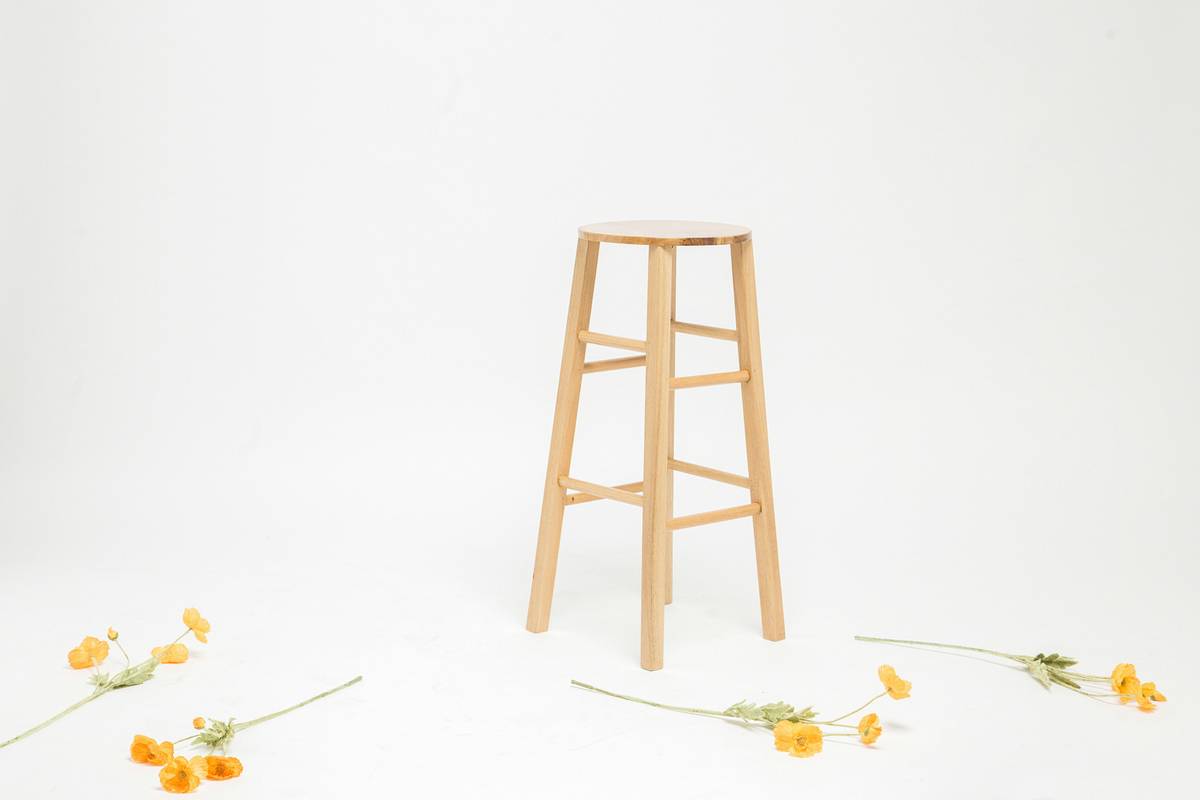
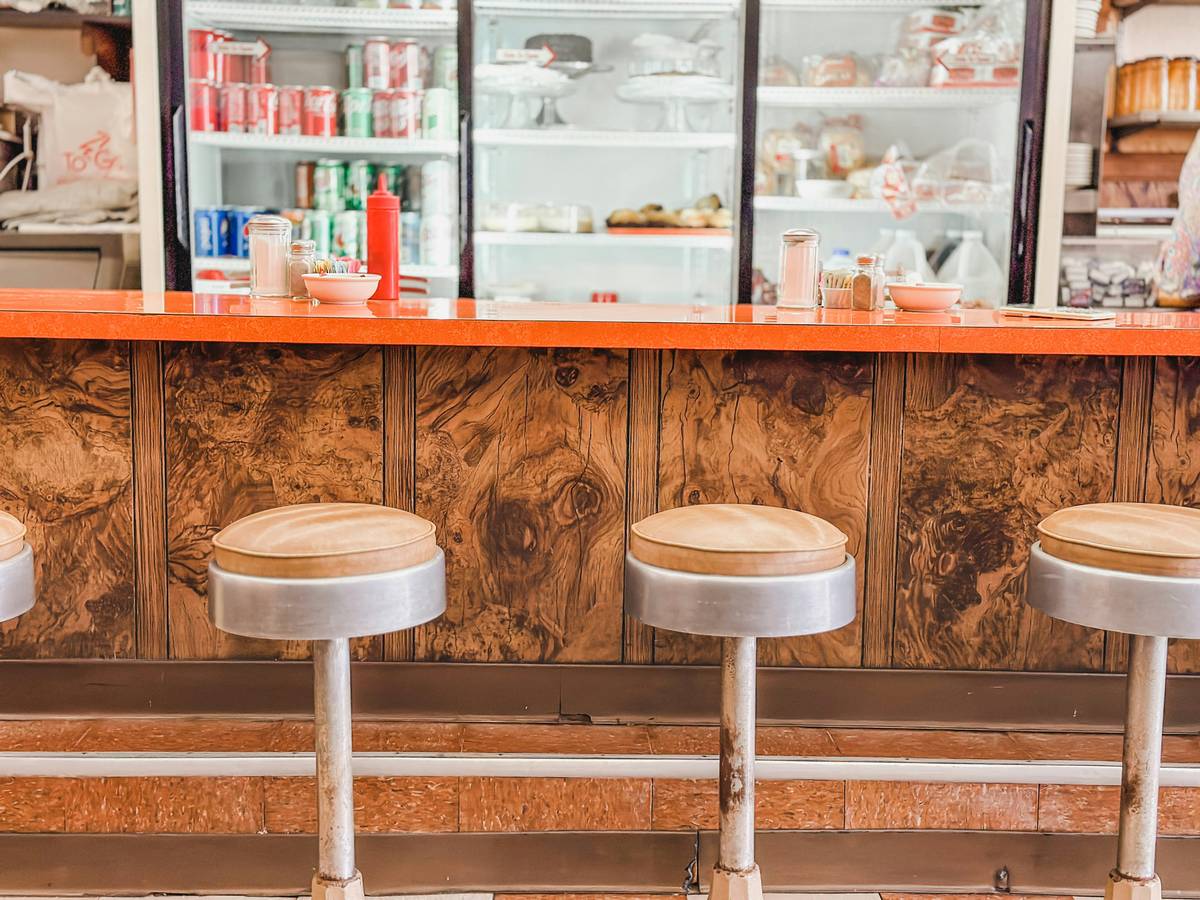
Your kitchen feels flat. Lifeless. Like it’s missing that electric buzz you get when sliding onto a stool at your favorite neighborhood bistro. You’ve scrolled through endless generic listings—plastic seats, wobbly bases, “modern” designs that scream 2007. None of them deliver that authentic, high-energy vibe. The solution isn’t more options—it’s fewer, better ones. Specifically, bar stools for restaurant style built for durability, comfort, and undeniable presence.
Why Most “Restaurant-Style” Bar Stools Fail at Home
Manufacturers slap “commercial-grade” on anything with a metal frame—and call it a day. But real restaurant furniture endures 8-hour shifts, constant spills, and impatient guests swinging legs like metronomes. Home versions? They cut corners on seat foam density, use thin-gauge steel, and skip commercial upholstery ratings. And they look it. Within months, your “bistro dream” becomes a squeaky, sagging eyesore.
Worse—they ignore ergonomics. A true restaurant stool supports posture during extended seating. Not just for breakfast coffee, but for late-night wine debates. Most imitations force you to hunch or perch awkwardly. That’s not ambiance. It’s punishment.
How to Choose Real Bar Stools for Restaurant Style (Without Wasting $500)
Forget aesthetics first. Prioritize structure, then customize. Here’s how:
Measure Twice, Sit Once: Counter Height Dictates Everything
Your countertop height is non-negotiable. Standard bar height (40–42”) demands 28–30” seat height. Kitchen island (36”) needs 24–26”. Guessing leads to bruised knees or dangling feet. Neither screams “pro.”
Frame Material Matters More Than Finish
Stainless steel? Ideal—but pricey. Powder-coated steel offers 90% of the durability at half the cost. Avoid hollow aluminum; it bends under pressure. Solid wood bases work—but only if kiln-dried and reinforced. One unnoticed crack, and your stool becomes kindling.
Upholstery Isn’t Just About Looks—It’s Maintenance
Vinyl? Easy wipe-downs, yes—but cracks in sunlight. Performance fabrics (Crypton, Sunbrella) repel wine, grease, and kids’ sticky fingers without sacrificing breathability. Skip cheap polyester blends. They absorb odors faster than a sponge in a fry station.
| Feature | True Commercial Grade | Budget Imitation | Home-Optimized Sweet Spot |
|---|---|---|---|
| Frame Gauge | 14–16 gauge steel | 20+ gauge (bends easily) | 18 gauge powder-coated steel |
| Seat Foam Density | 2.5–3.0 lb/ft³ | <1.5 lb/ft³ (flattens fast) | 2.0–2.2 lb/ft³ (comfort + longevity) |
| Swivel Mechanism | Bearing-based, 360° smooth | Plastic bushings (squeaks in 3 months) | Ball-bearing swivel with nylon ring |
| Avg. Price per Stool | $250–$400 | $75–$120 | $160–$220 |
The Industry Secret: Restaurants Don’t Buy “Matching” Sets
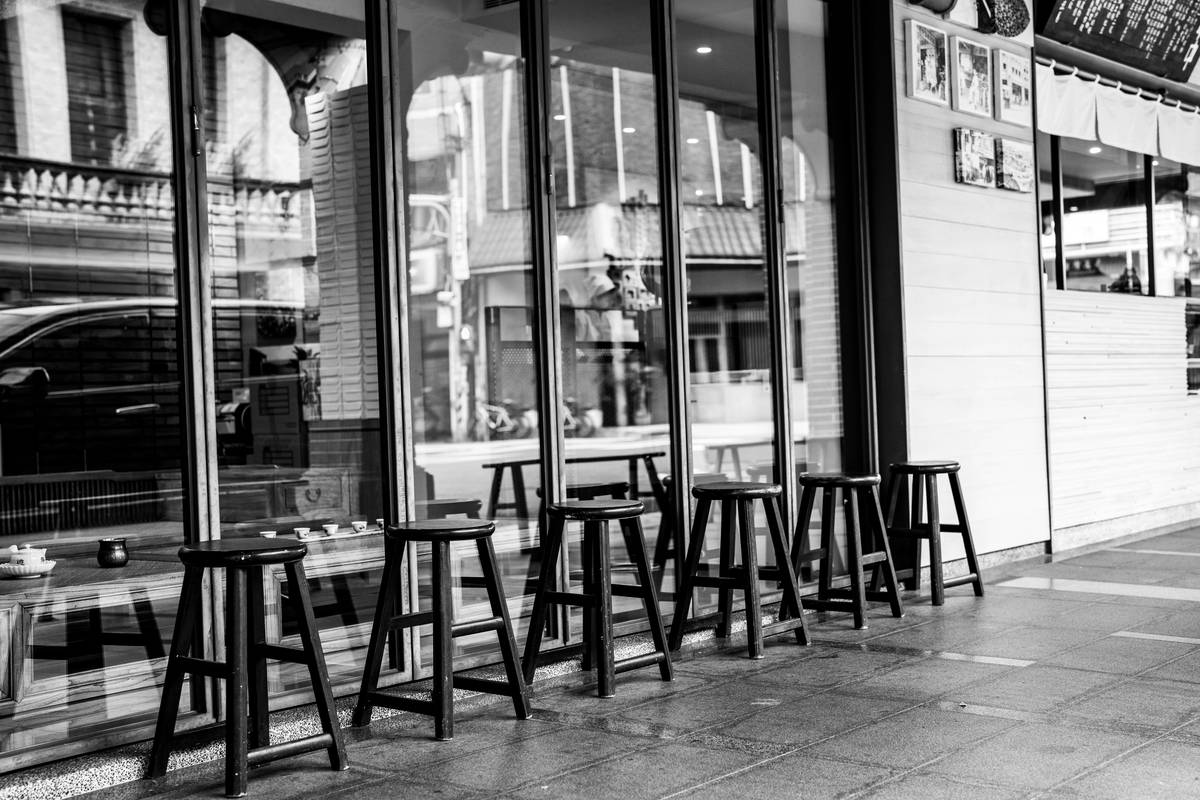
Walk into any acclaimed downtown eatery. Notice something? Their stools often vary slightly—different patinas, mismatched leathers, one with a footrest, another backless. Why? They replace broken units individually over years. The result? A curated, lived-in aesthetic that feels authentic, not staged. You can replicate this intentionally. Buy two identical stools as anchors. Then add one contrasting piece—a reclaimed wood base or a bold color pop. It breaks visual monotony and adds narrative. Designers charge $5k for this “eclectic cohesion” trick. Now you know it for free.
Frequently Asked Questions
What height bar stool for a 42-inch counter?
Choose a 28–30 inch seat height. This gives 10–12 inches of clearance—ideal for comfortable legroom without slouching.
Are backless bar stools comfortable for long periods?
Only if you have excellent core strength—or don’t plan to sit more than 20 minutes. For dining or working, always opt for a backrest with lumbar support.
Can I use outdoor bar stools indoors?
Yes—if they’re made with indoor-safe finishes. Many outdoor stools use UV-resistant materials that work great inside, especially in sun-drenched kitchens.