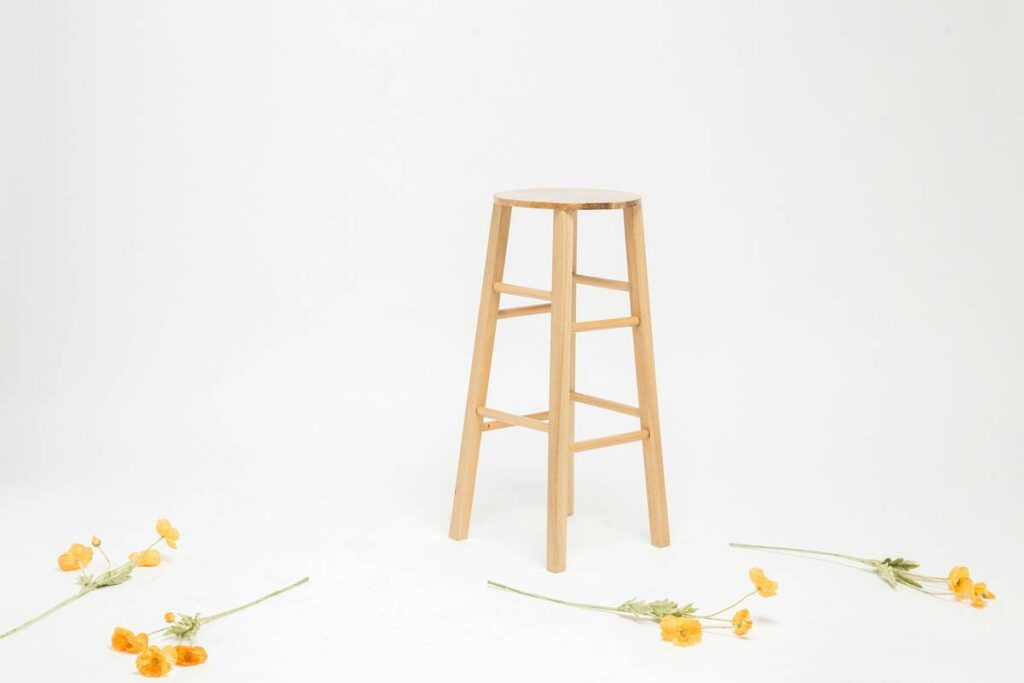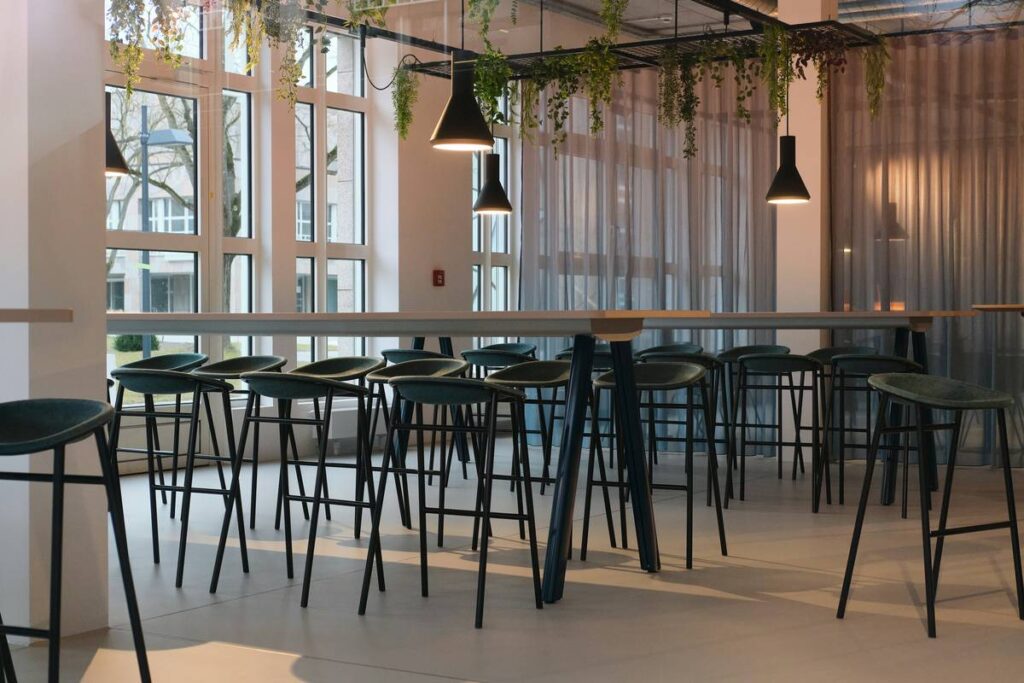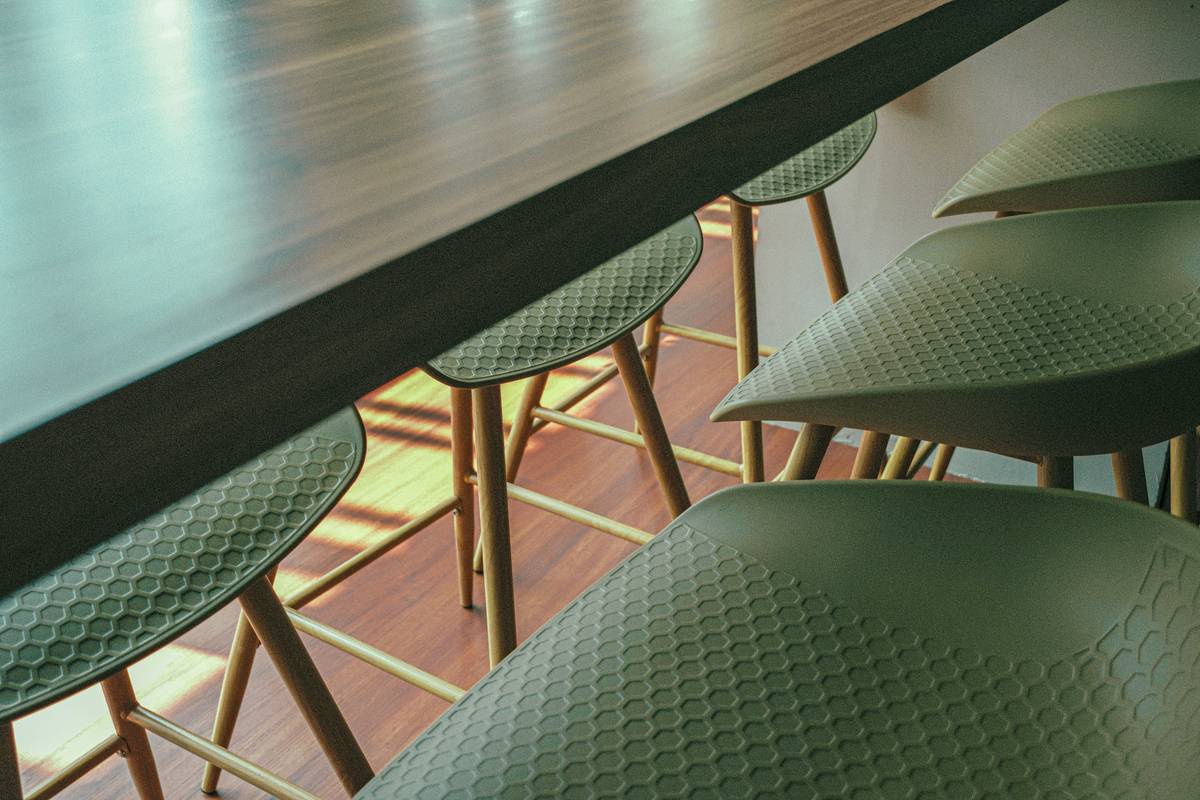
If your kitchen island feels more like a neglected afterthought than a social hotspot, you’re not alone. Many homeowners invest in beautiful countertops and appliances—only to pair them with ill-fitting or uncomfortable bar stools. I learned this the hard way when I bought three “stylish” stools online, only to discover they were two inches too tall for my pub table. Guests perched awkwardly, knees jammed under the edge, and my dinner parties turned into chiropractic emergencies. Don’t let mismatched seating sabotage your space. In this guide, we’ll walk through everything you need to know about choosing, styling, and using pub style table and bar stools correctly—so your kitchen becomes the inviting hub it was meant to be.
Table of Contents
- Why Pub Style Matters in Modern Kitchens
- Step-by-Step Guide to Choosing the Right Set
- Best Practices for Comfort & Longevity
- Real-World Examples That Nailed It
- Frequently Asked Questions
Key Takeaways
- The ideal seat height for pub tables (typically 40–42 inches tall) is 28–30 inches for stools.
- Always allow at least 24–30 inches of space per stool for comfortable movement.
- Material matters: solid wood or metal frames outlast particleboard in high-use areas.
- A cohesive design between your pub style table and bar stools enhances both aesthetics and function.
- Measure twice—your countertop height determines everything.
Why Pub Style Matters in Modern Kitchens
Open-concept living has turned the kitchen into the heart of the home—not just for cooking, but for working, chatting, and entertaining. The pub style table and bar stools combo bridges casual dining and functional workspace, offering flexibility without sacrificing style. But here’s the catch: improper sizing or poor ergonomics can turn this dream setup into a daily frustration.
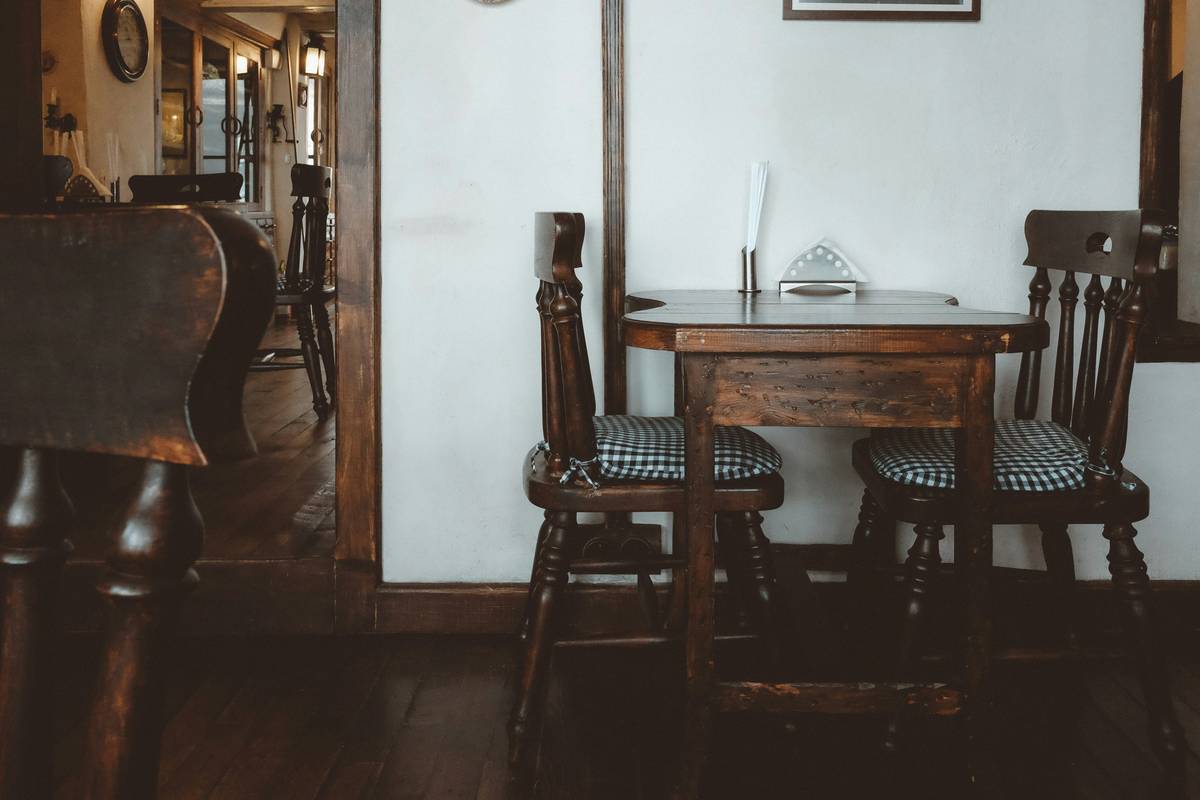
According to the Business and Institutional Furniture Manufacturers Association (BIFMA), standard counter heights dictate specific stool dimensions for optimal comfort. Ignoring these guidelines leads to slouching, leg cramping, and even long-term posture issues. When done right, however, a well-proportioned set encourages lingering conversations and spontaneous coffee breaks—the kind that make a house feel like home.
Step-by-Step Guide to Choosing the Right Set
1. Measure Your Counter or Table Height
Start with your surface height. Standard pub tables range from 40 to 42 inches. Use a tape measure—not assumptions. If you’re installing an island, decide on its height first.
2. Calculate Stool Seat Height
Subtract 10–12 inches from your table height. For a 42-inch table, aim for 28–30-inch seat height. This gap ensures comfortable knee room and proper elbow placement.
3. Check Footrest and Back Support
Bar stools taller than 26 inches should include a footrest. Without one, legs dangle—a recipe for fatigue. Also, consider back support if you plan to sit longer than 15 minutes.
4. Test Spacing and Clearance
Leave at least 6 inches between stools and 24–30 inches of width per seat. Don’t forget swing clearance if using armless or swivel models near cabinetry.
Best Practices for Comfort & Longevity
- Avoid ultra-slick finishes on seats—they look chic but are slippery and impractical with kids or pets.
- Choose durable upholstery: performance fabrics or leather resist stains better than cotton or linen.
- Opt for solid construction: wobbly stools aren’t just annoying—they’re unsafe. Check for mortise-and-tenon joints or welded steel frames.
- Match metal finishes between your hardware and stool base for visual harmony.
And here’s a terrible tip I’ve heard too often: “Just buy whatever’s on sale.” Bargain hunting without measuring is how basements get filled with unusable furniture. Don’t do it.
Real-World Examples That Nailed It
A recent Houzz Kitchen Trends Study found that 68% of renovated kitchens now include dedicated seating at islands or peninsulas—up from 49% a decade ago. One standout project featured a walnut pub table paired with industrial-style black metal stools with cognac leather seats. The homeowner prioritized 29-inch seat height and included a continuous footrest ring, resulting in a space guests consistently complimented for comfort during multi-hour gatherings.
At Lindsey Chairs, we’ve seen customers transform their kitchens by focusing on proportion over trend. One client replaced mismatched hand-me-down stools with a custom set sized precisely for her 41-inch concrete island—adding back support and cushioning for her remote-work days. Her feedback? “I finally enjoy my morning coffee again.”
For more on safety standards in residential furniture, refer to guidelines from the U.S. Consumer Product Safety Commission.
Frequently Asked Questions
What’s the difference between bar stools and counter stools?
Bar stools typically have seat heights of 28–30 inches for tables/counters 40–42 inches tall. Counter stools are shorter (24–26 inches) for 36-inch surfaces.
Do pub style table and bar stools need to match exactly?
Not necessarily—but they should complement each other in scale, finish, and style. Mixing materials (e.g., wood table + metal stools) works if proportions align.
How much space do I need behind bar stools?
Allow at least 36 inches from the back of the stool to any wall or obstruction for easy entry and exit.
Can I use armchairs as bar stools?
Generally no—arm height often interferes with table clearance. Stick to armless or low-arm designs unless your table is unusually tall.
Where can I see real customer setups?
Visit our Contact Us page to schedule a consultation or request photo examples from past installations.
Is personal data collected when ordering stools?
We only collect necessary shipping and payment info, protected under our Privacy Policy.
Getting your pub style table and bar stools right isn’t just about looks—it’s about creating a space where people want to stay awhile. Measure carefully, prioritize comfort, and never sacrifice function for fleeting trends. Ready to find your perfect pair? Reach out to our team—we’ll help you avoid my painful stool saga.
Height measured, backs supported,
Your kitchen hums—no more guesswork tired.