You bought sleek bar stools last year. They looked great—until the wobble started, the finish chipped, and your guests kept sliding off. Now your kitchen island feels more like a hazard zone than a hospitality hub. The problem? Most bar stools prioritize looks over longevity. But traditional style bar stools—with their solid joinery, generous seat depth, and curved backs—solve this silently, elegantly, and permanently.
Why “Trendy” Bar Stools Fail Within 18 Months
Mass-market retailers push minimalist designs that photograph well but collapse under real life. Thin legs crack. Plastic glides shred on hardwood. Upholstery fades after three wine nights. And don’t get me started on swivel mechanisms—they’re the first thing to squeak, then seize. Traditional style bar stools avoid these traps by design. Their mortise-and-tenon frames? Built to outlive leases. Their hand-turned spindles? Engineered for weight distribution, not Instagram grids.
How to Choose & Integrate Traditional Style Bar Stools Like a Pro
Forget scrolling through 200 SKUs. Focus on three non-negotiables—and one insider hack most designers won’t share.
Seat Height Must Match Your Counter—Exactly
Standard bar height is 40–42 inches. That demands a stool seat at 28–30 inches. Kitchen counter? Aim for 24–26 inches. Measure twice. Buy once. Guessing leads to knee bumps or dangling feet—neither screams “elegant entertaining.”
Wood Species Dictates Longevity (Not Just Color)
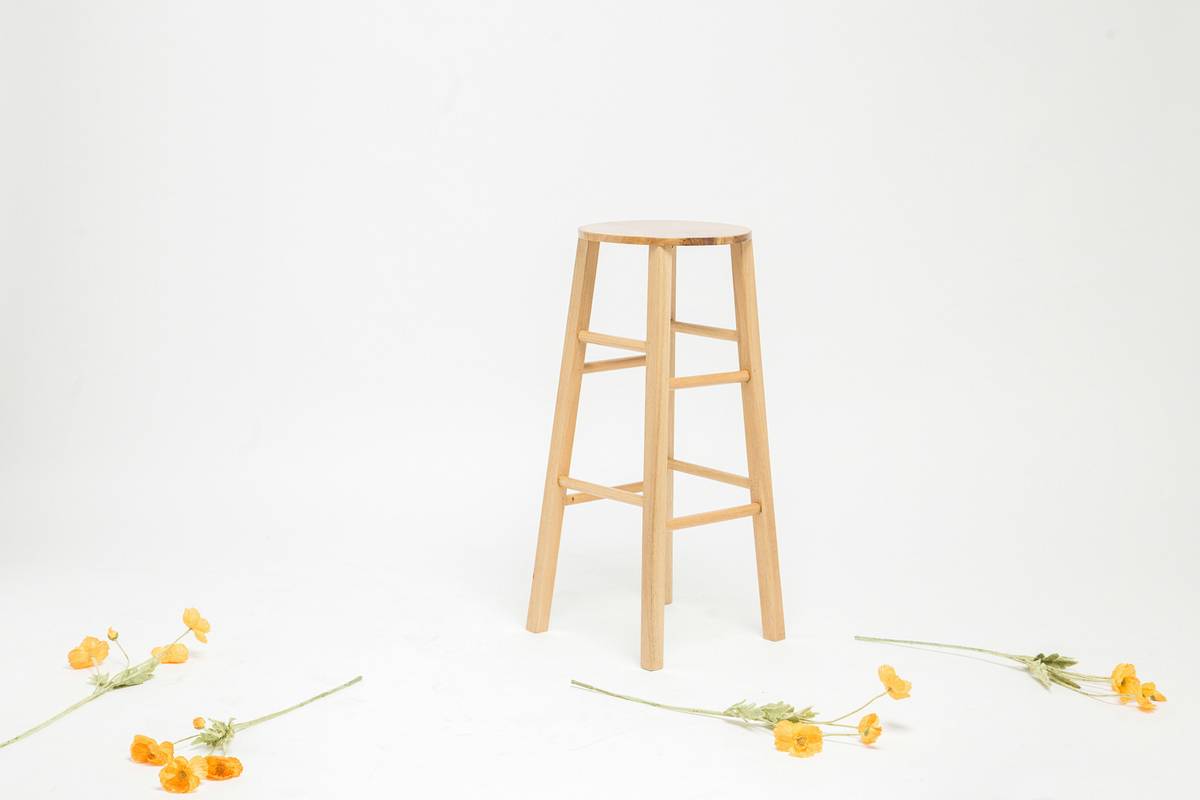
Oak resists dings. Maple takes stain beautifully but shows scratches. Cherry darkens gracefully. Avoid “solid wood” labels without species names—that’s often poplar painted to look expensive. Real traditional style bar stools specify the timber because craftsmen know: the grain tells the story.
Back Design Impacts Comfort More Than Cushioning
A gently arched backrest supports lumbar naturally. Flat slats? Fine for 10-minute coffee. Not for hour-long dinners. And skip arms unless you’ve got 26+ inches per seat—they eat up precious island space.
| Feature | Budget Pick (<$150) | Mid-Tier (&$150–$350) | Heirloom Grade (>$350) |
|---|---|---|---|
| Frame Material | Poplar + veneer | Solid oak or maple | Quarter-sawn white oak or walnut |
| Joinery | Dowels + glue | Mortise-and-tenon | Hand-cut mortise-and-tenon + wedged tenons |
| Expected Lifespan | 2–3 years | 7–12 years | 25+ years |
| Best For | Rental units, short-term use | Primary homes, frequent entertaining | Legacy pieces, generational homes |

The Industry Secret: Mix Eras, Not Styles
Here’s what top interior architects do quietly: pair traditional style bar stools with ultra-modern islands. Why? Warm wood tones soften cold materials like concrete, stainless steel, or black quartz. The contrast creates tension—then harmony. But—and this is critical—keep hardware consistent. If your faucet is matte black, choose stools with forged iron footrests, not brass. Cohesion lives in the details, not the silhouette.
Frequently Asked Questions
Are traditional style bar stools comfortable for long sitting?
Yes—if they feature contoured seats and supportive backs. Avoid flat, hard seats; opt for slight scooping or padded options with natural latex cores.
Can I use traditional bar stools at a kitchen table?
Only if seat height matches. Standard dining chairs sit at 18 inches. Bar stools are 24+ inches. Mixing them causes awkward posture and visual chaos.
Do traditional style bar stools need assembly?
Heirloom-grade models arrive fully assembled. Mid-tier may require attaching legs—but never the back or seat. If it needs 30 bolts, walk away.