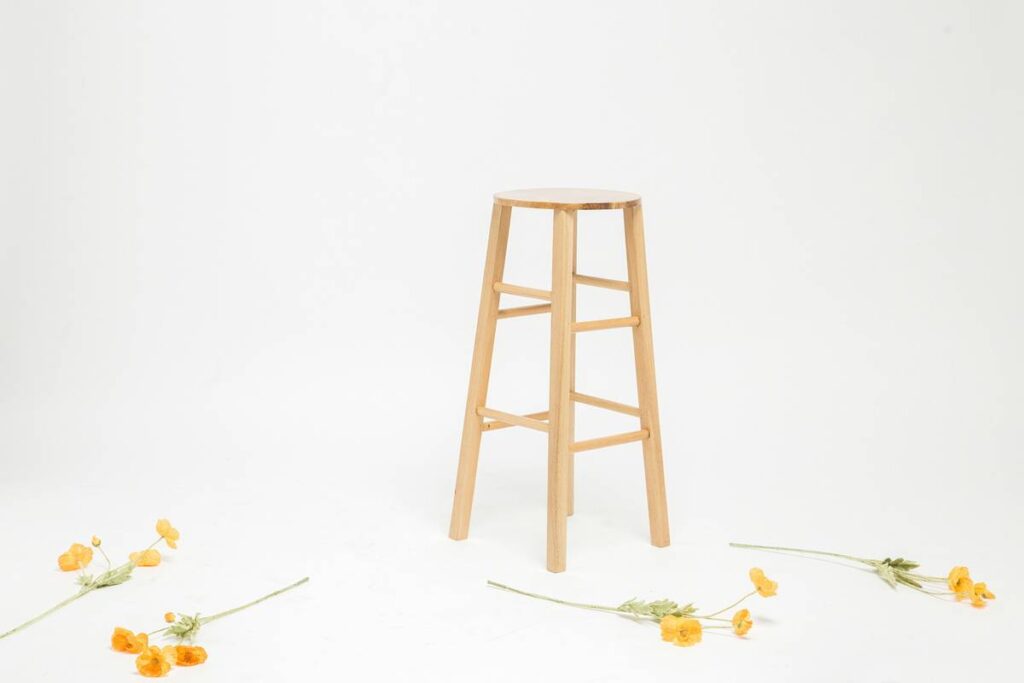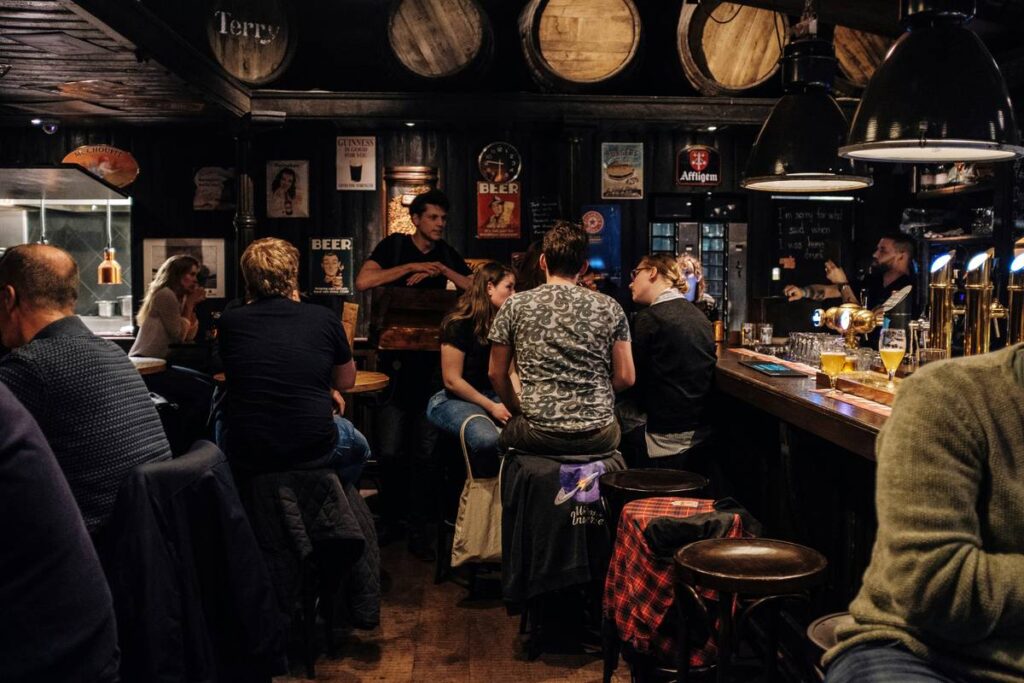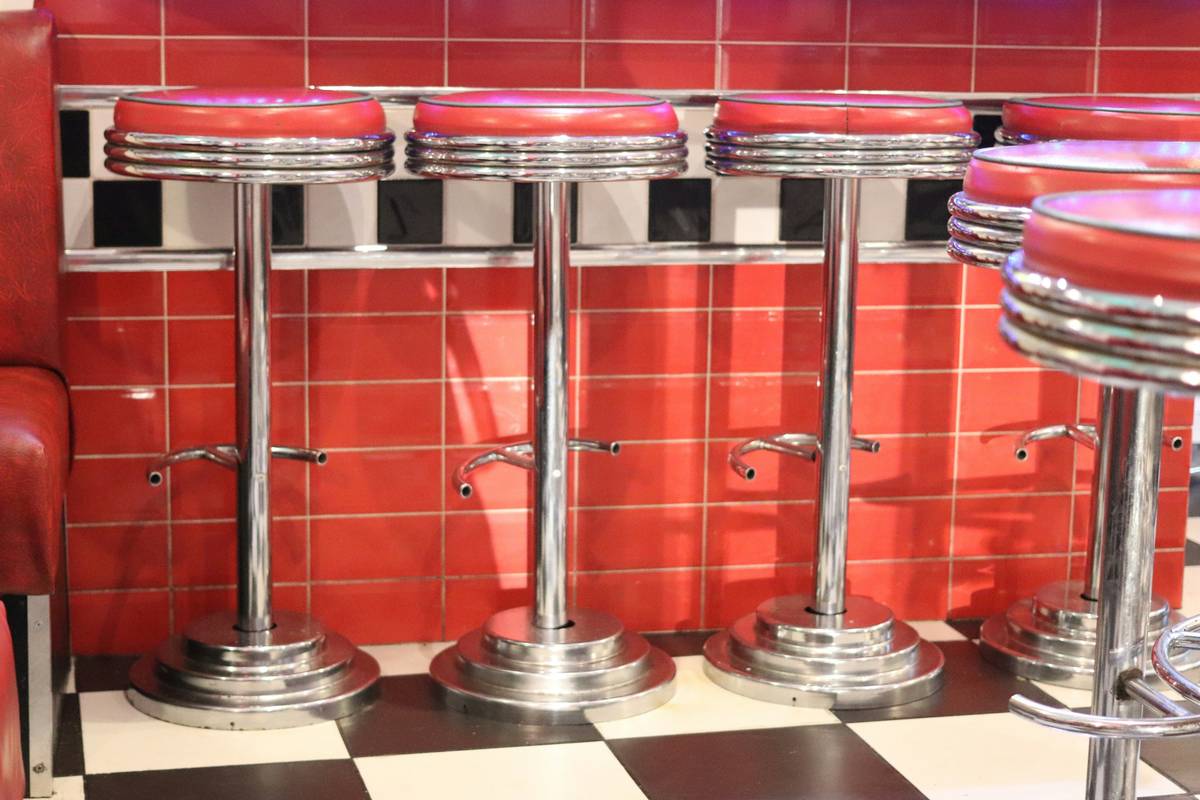
Your kitchen island is the heart of your home. But something’s missing. The space feels cold, uninviting—even awkward. You’ve added lighting, upgraded countertops, maybe even splurged on designer backsplash tile. Yet it still lacks soul. Here’s the truth: the missing piece isn’t decor. It’s seating. Specifically, modern style bar stools that bridge form, function, and human rhythm.
The Core Problem: Why Most Bar Stools Fail in Real Kitchens
Most homeowners pick bar stools based on looks alone. Big mistake. A stool might photograph beautifully—but if it’s 3 inches too tall, lacks foot support, or slides on hardwood every time someone leans back? It becomes furniture no one uses. And unused stools = wasted money and visual clutter.
Worse, “modern” has been diluted into a buzzword. Sleek lines don’t guarantee comfort. Minimalism shouldn’t mean miserable ergonomics. The industry pushes mass-produced pieces with thin plywood seats and wobbly bases because they’re cheap to ship—not because they last.
How to Choose & Integrate Modern Style Bar Stools (Without Regretting It)
Forget guesswork. This isn’t interior decorating—it’s behavioral design. You’re solving for posture, conversation flow, and daily use patterns.
Measure Twice, Sit Once: The 6-Inch Rule
Kitchen counter height is rarely standard. Measure from floor to underside of your countertop. For standard 42-inch counters, seat height should be 28–30 inches. For bar-height (45+ inches), aim for 30–33 inches. Deviate more than an inch? Your knees hit the edge—or your feet dangle like a kid at Thanksgiving.
Material Matters More Than You Think
Metal frames look sharp but feel icy in winter. Solid wood ages gracefully but can warp near dishwashers. Upholstered seats? Gorgeous—until red wine meets linen. Prioritize performance finishes: powder-coated steel, marine-grade polymer, or oil-rubbed oak. They survive real life.
Swivel vs. Fixed: It’s About Traffic Flow
Swivel stools seem fun—until someone spins mid-bite and knocks over a glass. In tight kitchens (<36 inches between island and wall), fixed-base stools prevent chaos. Save swivels for open-concept spaces where movement isn’t restricted.
| Feature | Budget Tier (<$150/stool) | Mid-Range ($150–$350) | Premium ($350+) |
|---|---|---|---|
| Frame Material | Hollow steel or MDF | Solid wood or powder-coated steel | Forged steel, solid walnut, or aluminum alloy |
| Seat Comfort | Hard plastic or thin foam | High-density foam with fabric/leather wrap | Ergonomic contouring, memory foam, or sprung suspension |
| Lifespan | 1–2 years (wobble develops fast) | 5–7 years with moderate use | 10+ years; often backed by lifetime warranties |
| Best For | Rental units, temporary setups | Primary homes, daily family use | Design-focused homes, heirloom quality |
The Industry Secret: Bar Stools Should Disappear
Here’s what designers won’t tell you: the best modern style bar stools don’t draw attention—they enable it. When guests walk in, they shouldn’t notice the stools first. They should notice the laughter, the coffee steam, the way light hits your pendant lamps. The stool’s job is to disappear under the person using it.
That means eliminating visual noise. Avoid contrasting colors that fight your cabinetry. Skip ornate stitching or chrome accents that scream “LOOK AT ME.” Instead, match your stool’s finish to your hardware—brushed nickel legs with brushed nickel pulls, for example. Cohesion creates calm. And calm invites lingering.
But—and this is critical—the stool must still feel substantial when you sit. Hollow-feeling frames break trust. Your body knows cheapness before your eyes do. Invest in weight. Not bulk, but density. A well-built stool should have a reassuring heft when you lift it—not tip like a plastic chair.
Frequently Asked Questions
How many modern style bar stools fit at a 6-foot island?
Three. Allow 28–30 inches per stool (including clearance). Four stools cram the space, making getting in and out awkward during meals.
Do modern bar stools need back support?
For dining or extended sitting—yes. Backless stools work only for quick coffee stops. Anything longer demands lumbar contact to avoid slouching.
Can I mix different modern bar stool styles?
Only if they share two key traits: identical seat height and matching finish tone. Otherwise, it reads as chaotic, not curated.